The FDA approves its first new sunscreen filter in nearly 30 years
Bemotrizinol, long used abroad, is now cleared for use in the United States and could change how American sunscreens perform.
COMPLETESKINMD STAFFTurn your social into search
We turn your posts into editorial stories that bring new search traffic to completeskinmd.com. Three of yours will be on this page.
Book a demo
completeskinmd Big News in Sun Protection ☀️ For the first time in nearly 30 years, the FDA has approved a new sunscreen filter for use in the United States. BEMT (bemotrizinol). Already used safely for decades in Europe, Asia, Australia, and other parts of the world, bemotrizinol is highly regarded because it is. 🔸Broad spectrum. protects against both UVA and UVB rays 🔸Photostable. remains effective even after sun exposure 🔸Compatible with other sunscreen ingredients. helping create more effective formulations 🔸Cosmetically elegant. allowing for lighter, more wearable sunscreens Why does this matter? Approximately 90% of skin cancers are linked to UV exposure, and up to 90% of visible skin aging. including wrinkles, discoloration, and loss of elasticity. is caused by the sun. As sunscreen manufacturers begin incorporating this newly approved filter into U.S. products, we hope to see a new generation of sunscreens that offer enhanced protection and improved wearability. The best sunscreen is still the one you’ll use every day. but more effective options are on the horizon. #Sunscreen #SkinCancerPrevention #SunProtection #HealthySkin #Bemotrizinol
Bemotrizinol, long used abroad, is now cleared for use in the United States and could change how American sunscreens perform.
COMPLETESKINMD STAFFHow it works
Same as today. Nothing changes on Instagram.
We turn your post into a full story in your voice within the hour.
One click publishes it to completeskinmd.com. Nothing goes live without you.
Your stories
Nothing was published anywhere. You decide that. Every word will come from your own posts, your own photos and your own treatments.
Skin Health · From your post
Bemotrizinol, long used abroad, is now cleared for use in the United States and could change how American sunscreens perform.
“Big News in Sun Protection ☀️ For the first time in nearly 30 years, the FDA has approved a new sunscreen filter for use in the United States. BEMT (bemotrizinol). Already used safely for decades in Europe, Asia, Australia, and other parts of the world, bemotrizinol is highly regarded because it is. 🔸Broad spectrum. protects against both UVA and UVB rays 🔸Photostable. remains effective even after sun exposure 🔸Compatible with other sunscreen ingredients. helping create more effective formulations 🔸Cosmetically elegant. allowing for lighter, more wearable sunscreens Why does this matter? Approximately 90% of skin cancers are linked to UV exposure, and up to 90% of visible skin aging. including wrinkles, discoloration, and loss of elasticity. is caused by the sun. As sunscreen manufacturers begin incorporating this newly approved filter into U.S. products, we hope to see a new generation of sunscreens that offer enhanced protection and improved wearability. The best sunscreen is still the one you’ll use every day. but more effective options are on the horizon. #Sunscreen #SkinCancerPrevention #SunProtection #HealthySkin #Bemotrizinol”
Patient Care · From your post
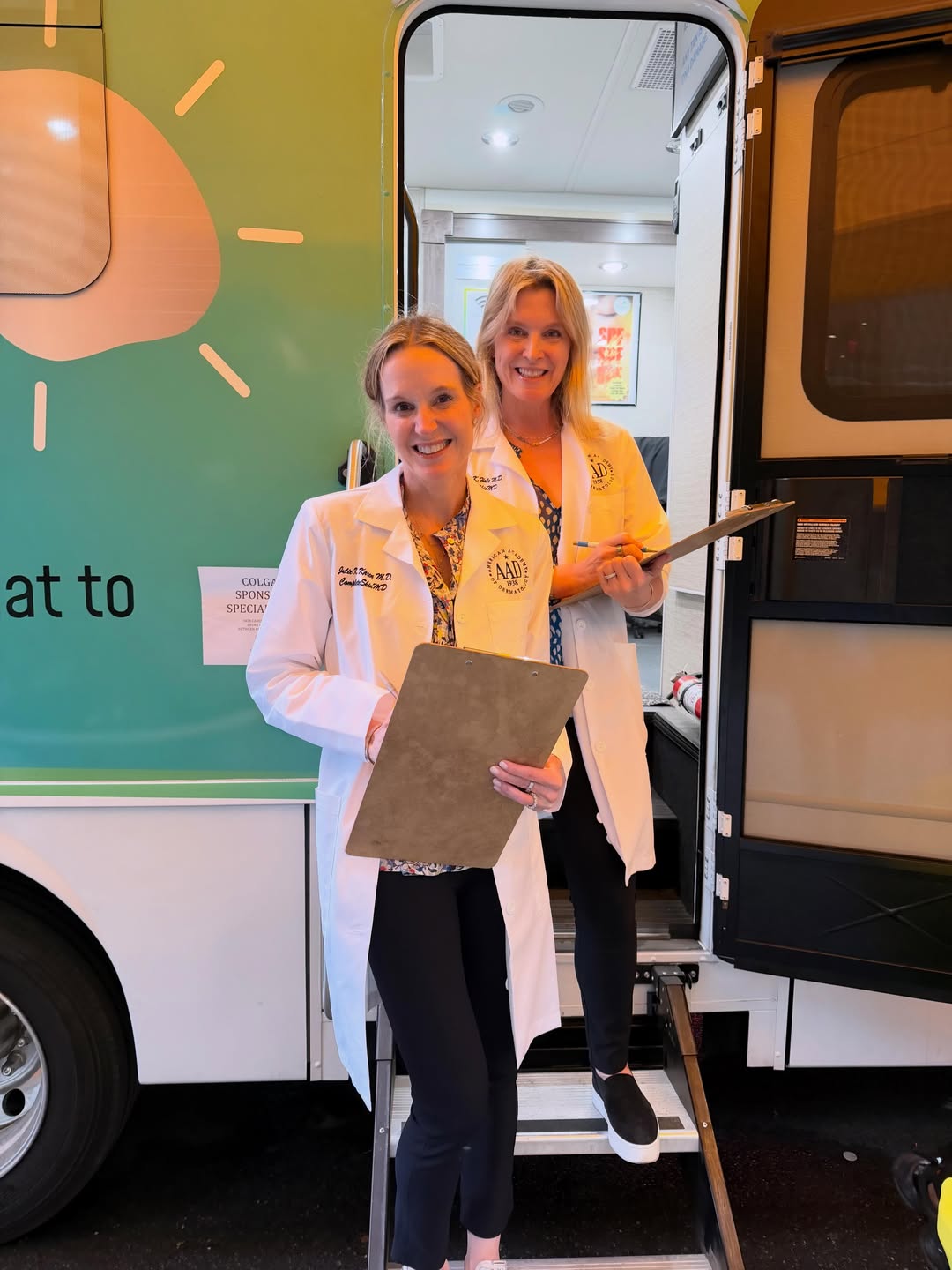
Following a full day of patient hours, two of our providers volunteered on the Road to Healthy Skin Tour to check skin for free.
“Today (after patient hours) @dermdrhale and @drjkaren volunteered their time to provide FREE skin cancer screenings through the @skincancerorg Road to Healthy Skin Tour. Today 100 people were screened in the mobile unit, and @eltamdskincare sunscreen samples were provided to all participants. Skin cancer is the MOST common and one of the most preventable cancers diagnosed in the United States. Early detection saves lives!”
Sun Damage · From your post
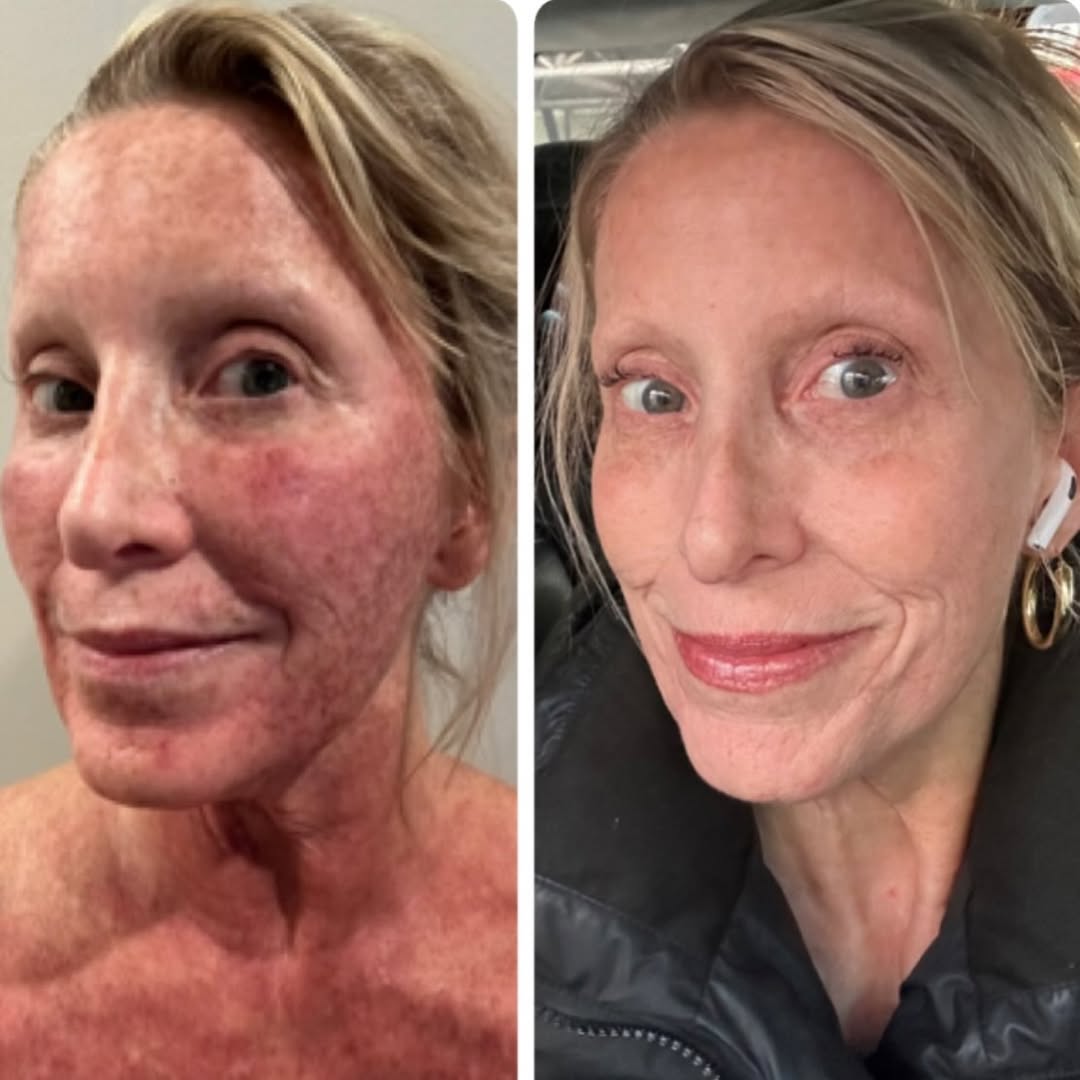
One patient's redness and pigment from a summer of sun exposure gave way to clearer, more even toned skin after treatment with Fraxel.
“Getting worried about the sun damage accumulating this summer? Think about scheduling a fall Fraxel to undo some of that damage. This patient was treated last Fall by @dermdrhale and is thrilled with her results! Posted with patient permission. #fraxel #laser #sundamage #reversesundamage”
One social post becomes another searchable entry point to CompleteSkinMD.
Our own magazine. Clicks and citations from Google Search Console, as of September 15, 2026.
Draft story for completeskinmd.com · Skin Health
Bemotrizinol, long used abroad, is now cleared for use in the United States and could change how American sunscreens perform.
For almost three decades, the list of approved sunscreen filters in the United States barely moved. That changed with the FDA's approval of bemotrizinol, also known as BEMT, a filter that has already been used safely for years in Europe, Asia, and Australia. It is the first new active ingredient added to the American sunscreen toolkit in nearly 30 years, and it matters more than the timeline alone suggests.
What makes bemotrizinol stand out is not just that it is new, but what it actually does. It is broad spectrum, meaning it protects against both UVA and UVB rays rather than just one. It is also photostable, which means it keeps working as it should even after real time in the sun, instead of breaking down the way some older filters can.
Bemotrizinol also plays well with other sunscreen ingredients, which matters more than it might seem. Formulators can combine it with existing filters to build more effective, better balanced sunscreens rather than working around its limitations. That compatibility opens the door to new formulations that were harder to achieve with the filters currently approved in the United States, without sacrificing the protection a sunscreen is supposed to provide.
There is also a cosmetic argument here, and it is not a small one. Bemotrizinol is known for allowing lighter, more wearable sunscreen formulas, the kind that do not leave a heavy or greasy finish. For anyone who has skipped sunscreen because of how it feels on the skin, a lighter formula is not a minor upgrade. It is often the difference between applying it and leaving it in the drawer.
The stakes behind sun protection are not abstract. Roughly 90 percent of skin cancers are linked to UV exposure, and UV exposure is also responsible for up to 90 percent of visible skin aging, including wrinkles, discoloration, and loss of elasticity. A filter that improves both protection and wearability speaks directly to two of the biggest reasons sunscreen matters in the first place, prevention and how skin holds up over time.
Approval does not mean bemotrizinol appears on shelves overnight. Manufacturers still need to incorporate it into their formulations, which means the sunscreens built around this filter will arrive gradually rather than all at once. We expect to see a new generation of American sunscreens take shape over time, offering combinations of protection and texture that were not possible under the previous lineup of approved filters.
Even with a new filter entering the market, the most important variable in sun protection has not changed. The best sunscreen is still the one a person will actually put on every single day, regardless of which filters it contains. A highly advanced formula left in a bag or a bathroom cabinet protects no one, which is why daily use remains the foundation everything else builds on.
What bemotrizinol offers is a better set of tools for building that daily habit, not a replacement for it. As more effective, lighter, and more stable formulations reach the market, sunscreen may become easier to wear consistently, which is ultimately the goal. The ingredient list is changing for the first time in years, but the daily habit it supports is still the same one worth protecting.
Draft story for completeskinmd.com · Patient Care
Following a full day of patient hours, two of our providers volunteered on the Road to Healthy Skin Tour to check skin for free.
The workday does not always end when the last patient leaves. On this day, once regular hours wrapped, two of our providers walked out of the office and into a mobile screening unit parked nearby, ready to spend the evening checking skin instead of resting after a full shift.
The occasion was the Road to Healthy Skin Tour, a traveling skin cancer screening program. Our doctors volunteered their time inside the unit, working through a steady line of people who came in for a few minutes with a clipboard and a straightforward question: does anything on your skin need a closer look.
By the end of the session, 100 people had been screened inside that mobile unit. That number matters because early detection is the single biggest factor in treating skin cancer successfully, and a quick visual check is often the first step that catches something before it becomes serious.
Every participant who came through also left with a sunscreen sample from EltaMD, a small addition that turns a one time screening into an ongoing habit. Sunscreen is not a cure, but consistent daily use is one of the most practical, low effort ways to lower risk over time, especially for anyone who spends real time outdoors.
Skin cancer is one of the most common cancers diagnosed in the United States, and it is also one of the most preventable. That combination is exactly why events like this one matter. A five minute screening costs someone very little, but it can surface something that would otherwise go unnoticed until it is harder to treat.
Volunteering for a program like this is not about adding another item to a calendar. It is an extension of what we already do inside our own walls every day, just brought outside of them for an afternoon. The clipboard, the white coat, and the quick exam are the same tools, only the setting has changed.
For most people, a screening is not dramatic. It is a short conversation, a visual check of skin that is easy to overlook, and a clear answer about whether anything warrants a follow up visit. That simplicity is the point. It removes the guesswork and gives people a direct next step instead of a lingering question.
Early detection saves lives, and it starts with moments exactly like this one, a mobile unit parked for an afternoon and a hundred people willing to take a few minutes for their own skin. We were glad to be part of it, and we will keep showing up wherever that kind of access is needed next.
Draft story for completeskinmd.com · Sun Damage
One patient's redness and pigment from a summer of sun exposure gave way to clearer, more even toned skin after treatment with Fraxel.
Every summer leaves a record on the skin, whether we mean for it to or not. Hours outside, reflected light, and the cumulative effect of UV exposure show up as redness, broken capillaries, and uneven pigment across the cheeks, nose, and neck. By the time September arrives, a lot of patients are looking in the mirror and noticing damage that was not there in June.
That is exactly what this patient was dealing with when she came to see us last fall. Her before image shows widespread redness across her cheeks and forehead, along with visible pigment and texture change extending down her neck and chest. It is the kind of cumulative sun exposure pattern we see often once summer ends and patients start paying closer attention to their skin again.
She was treated by Dr. Hale using Fraxel, a laser that works by creating controlled, microscopic treatment zones in the skin rather than resurfacing the entire surface at once. That targeted approach allows the skin to heal in sections, which supports a more even recovery process while still addressing pigment and redness across the treated areas.
Her after image, taken more recently, shows a noticeably calmer, more even skin tone. The redness that dominated her cheeks and neck has faded significantly, and her overall complexion looks smoother and more uniform. She is smiling in that image, clearly comfortable enough to share it without makeup covering the change underneath.
Fraxel works by prompting the skin to heal and regenerate, which means the treated skin is more sensitive to UV light during recovery. That makes fall and winter a practical time to schedule treatment, since lower sun intensity and shorter outdoor exposure make it easier to protect healing skin while results develop over the following weeks and months.
It also means the timing lines up naturally with how people think about their skin. Summer is when the damage accumulates. Fall is when it becomes visible enough to want to address. Treating it in the cooler months gives the skin a chance to recover fully before the next season of sun exposure begins again.
If this summer left you with redness, uneven tone, or pigment you did not have before, you are not alone, and you do not have to carry it into next year. This patient's results, shared with her permission specifically so others could see them, are a realistic look at what a fall Fraxel treatment with Dr. Hale can do.
We are already booking Fraxel consultations for patients who want to address summer damage before it becomes a permanent part of their complexion. If sun damage has been building for a while, fall gives your skin the time and the lower UV conditions it needs to heal well and show a real difference by the time next summer comes around.
Keep reading