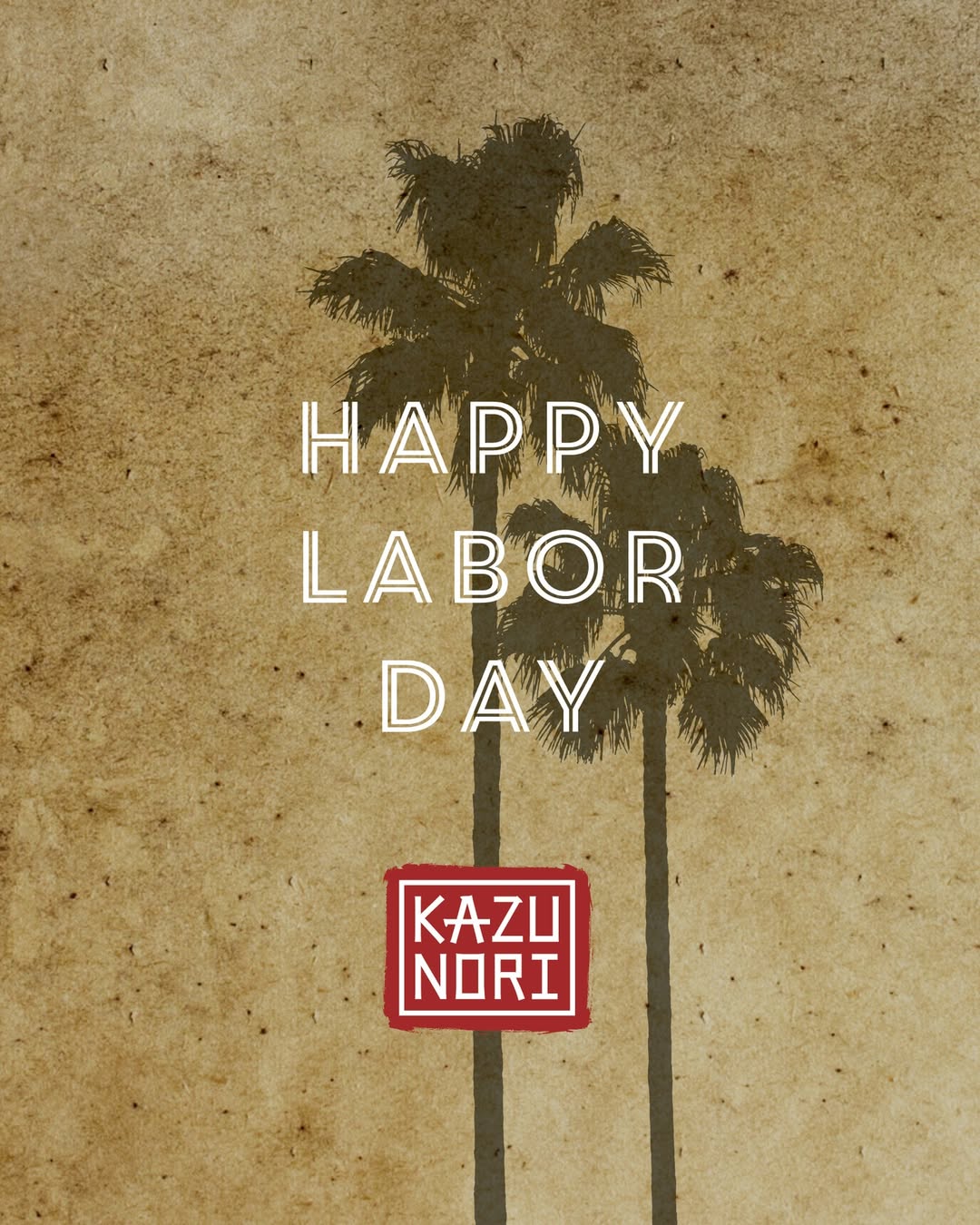
KazuNori Santa Monica closes for Labor Day, back tomorrow
The counter takes a rest for the holiday before returning to normal hours the next day.
KAZUNORI STAFFTurn your social into search
We turn your posts into editorial stories that bring new search traffic to handrollbar.com. Three of yours will be on this page.
Book a demo
kazunorisushi In observance of Labor Day we are closed today. Wishing everyone a great day and look forward to seeing you tomorrow!
The counter takes a rest for the holiday before returning to normal hours the next day.
KAZUNORI STAFFHow it works
Same as today. Nothing changes on Instagram.
We turn your post into a full story in your voice within the hour.
One click publishes it to handrollbar.com. Nothing goes live without you.
Your stories
Nothing was published anywhere. You decide that. Every word will come from your own posts, your own photos and your own menu.
Holiday Hours · From your post
The counter takes a rest for the holiday before returning to normal hours the next day.
“In observance of Labor Day we are closed today. Wishing everyone a great day and look forward to seeing you tomorrow!”
Behind The Counter · From your post
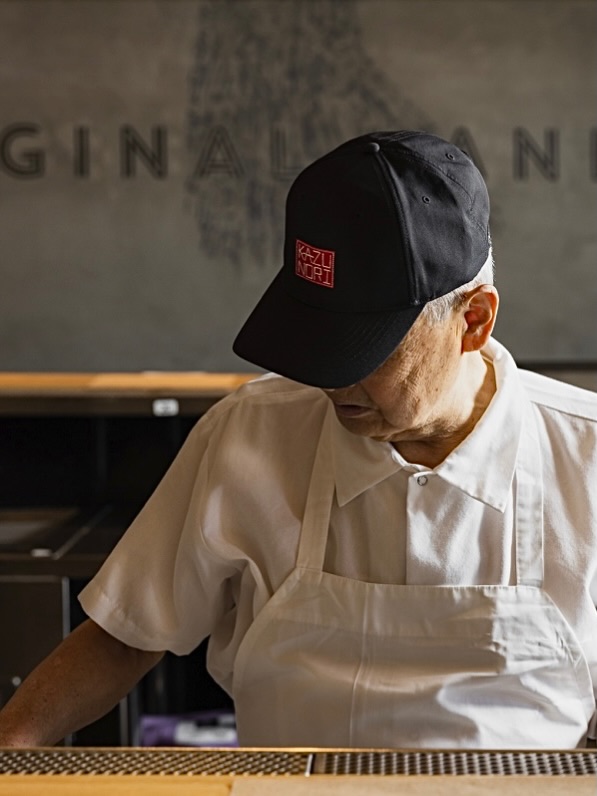
A single line from Nozawa still shapes how the counter works at KazuNori in Santa Monica.
“As Nozawa said many years ago, “Stay true to what you believe. The rest will take care of itself.” #KazuNori #Nozawa #NozawaStyle”
Hand Rolls · From your post
At our Santa Monica counter, nori stays crisp and rice stays warm only if the roll reaches you within a minute or two of being made.
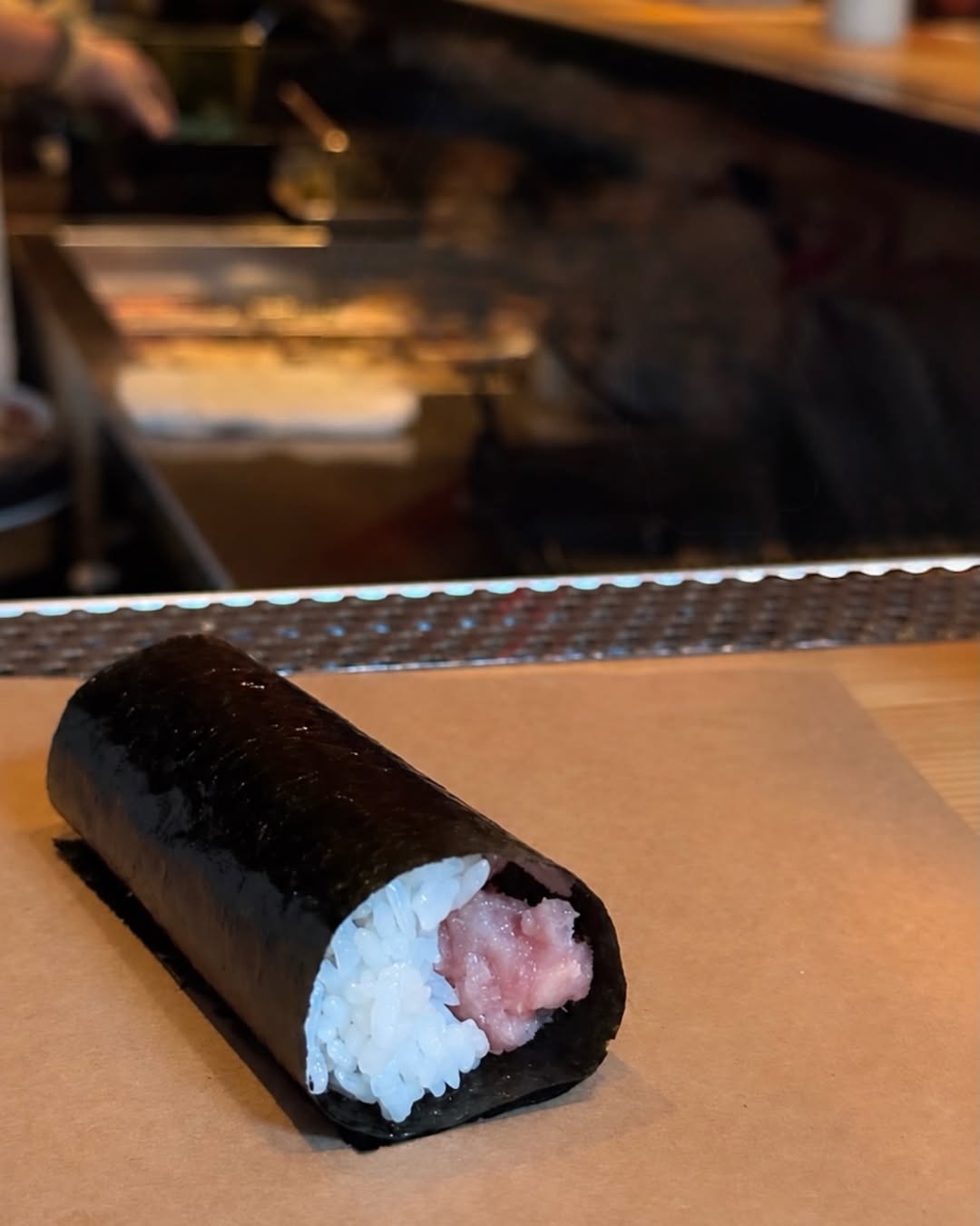
“Rolling into the weekend with our just made hand rolls, crispy nori and warm rice. #KazuNori #handrolls #biteflipbite 📷 @justbecauseitspretty”
One social post becomes another searchable entry point to KazuNori.
Our own magazine. Clicks and citations from Google Search Console, as of September 15, 2026.
Draft story for handrollbar.com · Holiday Hours
The counter takes a rest for the holiday before returning to normal hours the next day.
Labor Day lands differently for a restaurant built around a counter. There is no drive through window to keep running, no delivery bag to hand off. There is just the bar, the rice, the nori, and the rhythm of people making handrolls one at a time. Today that rhythm pauses. KazuNori in Santa Monica is closed in observance of the holiday, and the counter stays quiet.
That quiet is worth noticing. A handroll counter depends on timing. Rice needs to be the right temperature. Nori needs to stay crisp until the moment it reaches a guest. None of that works well when a kitchen is short staffed or rushing through a holiday shift just to stay open. Closing for the day is a small, practical decision that protects the experience we want every guest to have.
There is also something straightforward about a business simply stepping back one day a year. Labor Day exists to mark rest, and it is easy for that meaning to get lost in three day sale promotions and long weekend errands. For us, closing is not a marketing moment. It is one day off the calendar, which is a rare enough thing in a restaurant that runs a counter every single day it is open.
Two tall palm trees stand against a warm, worn background, the kind of scene that feels like late afternoon on a slow day. Across it, the words simply read Happy Labor Day. There are no hours listed, no menu mentioned, just a small acknowledgment of the holiday and of the people who are spending it away from work rather than behind a counter.
That includes our own team. Every handroll served at the Santa Monica counter is made by hand, right in front of the guest, which means the people working that counter are on their feet and focused for the length of every shift. A day off is not a formality for them. It is an actual break from a job that requires steady attention rolling after rolling.
We are already looking ahead to tomorrow, when the counter reopens and the usual pace picks back up. Guests can expect the same experience they always find here: seats at the bar, rice prepared to order, and rolls served as soon as they are ready rather than sitting under a heat lamp. Nothing about the format changes because of the holiday. It simply resumes.
If today was the day you planned to stop by, the plan just shifts by twenty four hours. Santa Monica will be back to normal service tomorrow, ready for the regulars who treat the counter like a quick lunch stop and the newcomers still figuring out how a handroll bar works. The wait, if there is one, will be the same wait as any other weekday.
For now, the sign stays simple. Closed for Labor Day, open again tomorrow, and grateful for a guest base patient enough to plan around one holiday closure. It is a small pause in an otherwise steady schedule, the kind that lets a small crew rest before returning to a counter that only really works when everyone behind it is ready to go.
Draft story for handrollbar.com · Behind The Counter
A single line from Nozawa still shapes how the counter works at KazuNori in Santa Monica.
A black cap with a small red logo, a white apron tied at the waist, and a head bent low over the counter. That is the posture we return to every day at KazuNori. It is not a pose for anyone watching. It is what it looks like when someone is paying close attention to one small task and refusing to let it become routine.
The words we keep coming back to are Nozawa's own: stay true to what you believe, and the rest will take care of itself. It reads simply, almost too simply for a business built on precision and repetition. But the line was never meant as decoration. It is closer to an instruction, one that applies as much to rice temperature as it does to how a person carries themselves at work.
Believing in something and repeating it are different disciplines. The first is easy to say out loud. The second is what happens quietly, roll after roll, on a Tuesday afternoon with no one special in the room. Nozawa style was never about performance. It was about doing the same thing correctly enough times that correctness stops being a decision and becomes a habit.
That habit is visible in small ways if you know where to look. The way an apron is tied the same way each shift. The way a hand rests on the counter's edge, steady, without hovering. The way a hat sits low, out of the eyes, out of the way. None of it is dramatic. All of it is intentional, the kind of intentional that only shows itself over time, not in a single glance.
Behind the counter at our Santa Monica location, the wall reads original hand roll, worn into the concrete like it has always been there. It is not a slogan chosen for a menu or a sign ordered for an opening. It functions more like a reminder aimed inward, at whoever is standing at the counter that day, that the format itself is the point, not a variation on it.
Hand rolls are unforgiving in a specific way. There is no plating to hide behind, no sauce to smooth over an off day. The nori has to be crisp at the moment it reaches a guest, the rice has to be warm, the fish has to be cut with attention. Every one of those details depends on someone believing the small version of the job is worth doing exactly right, every single time.
It is easy to talk about philosophy in a kitchen and harder to actually practice it once the counter fills up and the tickets start moving. That is where Nozawa's line earns its place. It is not aspirational language for a wall. It is a working standard, tested every shift by whether the roll in front of a guest tastes like it was made by someone paying full attention.
We do not think of that discipline as something finished or perfected. It is closer to a practice, repeated with the hope that the habit holds even on the busiest nights. The cap, the apron, the low tilt of concentration over the counter, none of it is symbolic. It is simply what steady belief looks like when it is doing its job quietly, one hand roll at a time.
Draft story for handrollbar.com · Hand Rolls
At our Santa Monica counter, nori stays crisp and rice stays warm only if the roll reaches you within a minute or two of being made.
Rolling into the weekend means one thing at our counter: hand rolls made to order, not staged ahead of time. The nori is dark, taut, and still crackling when it lands on the paper in front of you. Warm rice presses against it from the inside, and the fish sits tucked at the open end, visible before the first bite. There is no plate of six sitting under a heat lamp waiting for a table.
That timing is the whole point of the format. A hand roll is built to be eaten within a minute or two of being rolled, while the nori still snaps and the rice still holds its heat. Wait too long and the seaweed starts to soften against the moisture inside. So we make them one at a time, right as they are ordered, instead of batching them out in advance the way a tray of maki might be prepped.
Look at the exposed end of the roll and you can see exactly what went into it before you taste it. Sticky short grain rice packed loosely enough to stay light, then a piece of fish pressed in at the tip so it is the first thing your mouth meets. Nothing is hidden inside a fully wrapped cylinder here. The construction is meant to be seen, which is part of why the counter seat matters as much as the roll itself.
Behind that counter is where the actual work happens, trays of fish laid out under warm light, rice kept ready, hands moving fast enough that the next roll is already forming before the last one leaves the board. Sitting close enough to watch that motion changes how the food reads. You are not ordering off a menu and waiting. You are watching the two or three steps between raw ingredient and finished roll happen a few feet away.
Weekends change the rhythm of a hand roll order. It is rarely just one. People come in wanting a few different rolls back to back, tasting one, letting it disappear in a few bites, then moving to the next while it is still warm. That pace only works because each roll is small enough to finish quickly and simple enough that flavor does not need six ingredients to make its point.
Nori, rice, and fish are the whole structure, so there is nowhere for that construction to hide. If the rice is packed too tightly, you feel it. If the nori sat out too long before wrapping, you feel that too. The format rewards attention because there is so little room for error to disappear into. Three components, made right in sequence, is what makes the roll worth eating fresh rather than later.
None of this requires elaborate staging to notice. It is right there in the roll itself: the contrast between the crisp exterior and the warm give of the rice underneath, the fish sitting at the open end where you meet it first. That contrast is the reason the format has stayed this simple for as long as it has, built around timing rather than technique layered on top of the ingredients.
So when the weekend rush hits our counter and the rolls start moving quickly from board to hand, that speed is not a shortcut. It is the format working exactly as intended, seaweed still crisp, rice still warm, fish placed where you taste it first. Come hungry, sit close to the counter if you can, and eat it within that short window while everything is still doing what it is supposed to do.
Keep reading