
Why we talk through the science before we ever pick up a syringe
At LA Ageless, explaining an injectable matters as much as administering it.
LA AGELESS MEDICAL AESTHETICS STAFFTurn your social into search
We turn your posts into editorial stories that bring new search traffic to laageless.com. Three of yours will be on this page.
Book a demo
la.ageless Let’s be real, we all want to create and get to work! We love showing our skills, but we should be just as excited to talk about the science behind injectables. Why is this important? this is important, because for many this could be the first time that they are injected. this can come a lot of nerves. Bring light to any questions someone may have. you could go over some thing that can keep everyone safe. Overall, you are respect the fact, that medical aesthetics is not about. Just looking good, but it’s also about taking serious these medical procedures.
At LA Ageless, explaining an injectable matters as much as administering it.
LA AGELESS MEDICAL AESTHETICS STAFFHow it works
Same as today. Nothing changes on Instagram.
We turn your post into a full story in your voice within the hour.
One click publishes it to laageless.com. Nothing goes live without you.
Your stories
Nothing was published anywhere. You decide that. Every word will come from your own posts, your own photos and your own treatments.
Clinical Standards · From your post
At LA Ageless, explaining an injectable matters as much as administering it.
“Let’s be real, we all want to create and get to work! We love showing our skills, but we should be just as excited to talk about the science behind injectables. Why is this important? this is important, because for many this could be the first time that they are injected. this can come a lot of nerves. Bring light to any questions someone may have. you could go over some thing that can keep everyone safe. Overall, you are respect the fact, that medical aesthetics is not about. Just looking good, but it’s also about taking serious these medical procedures.”

Injector Notes · From your post
A Beverly Hills injector lays out the three things she wishes every new patient understood before booking anything.
“TOP 3. 1. Face balancing should be your first priority 2. Regardless of procedure confidence will always come from within. 3. No, you don’t need to over fill anything.”
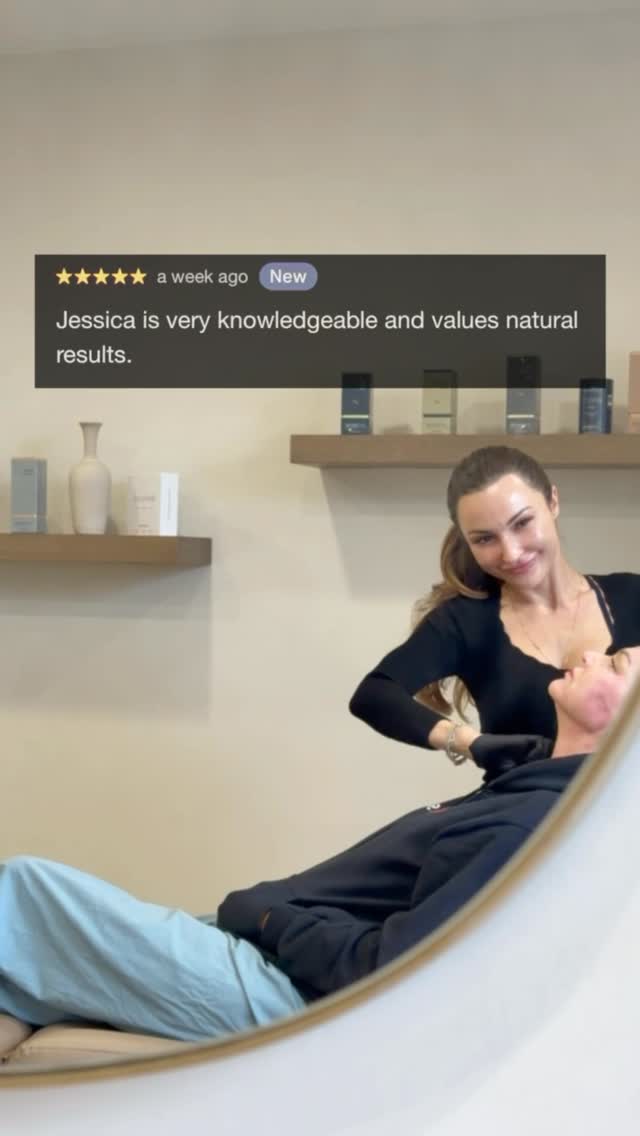
Behind The Treatment · From your post
A five star review calling Jessica knowledgeable and natural sparks a closer look at what face balancing really means.
“Loving what you do is such a blessing. If you’re looking for face balancing, I’m your girl. Text or call us today.”
One social post becomes another searchable entry point to LA Ageless Medical Aesthetics.
Our own magazine. Clicks and citations from Google Search Console, as of September 15, 2026.
Draft story for laageless.com · Clinical Standards
At LA Ageless, explaining an injectable matters as much as administering it.
A gloved hand, a marked syringe, a small group gathered close enough to watch every movement. That is what a treatment room looks like here on a normal day. But before any needle touches skin, there is a conversation. We think that conversation deserves the same attention as the injection itself, not a rushed afterthought squeezed in before the real work begins.
It would be easy to let the technical skill speak for itself. Injecting well is satisfying, and we understand the instinct to want to just get to work. But we have found that the more interesting part, the part that actually protects people, is the explanation that comes before it. Skill without context leaves patients guessing about what is happening to their own face.
For a lot of people sitting in that chair, this is the first time they have ever been injected with anything cosmetic. First times come with nerves, and nerves are reasonable. Someone new to injectables does not yet know what to expect from the sensation, the timeline, or the product itself, so the questions they have are not small talk. They are the difference between feeling informed and feeling exposed.
We treat those questions as part of the procedure, not an interruption to it. Walking through why a certain area gets a certain product, or why a technique is chosen over another, gives someone a real answer instead of a vague reassurance. It also means that if something feels unfamiliar during treatment, it was already explained rather than discovered in the moment.
Going over the science is not just about comfort, it is where the safety conversation actually happens. When the reasoning behind a technique is said out loud, in front of the person receiving it, everyone in the room is working from the same information. That shared understanding is part of what keeps a procedure safe, not a separate checkbox handled somewhere else.
This is also why we do not treat teaching moments as private. Explaining out loud, in real time, in front of others in the room, keeps the standard visible instead of assumed. It is one thing to say a practice is safe. It is another to walk through the reasoning where it can be heard, questioned, and understood by the people it affects.
It is worth saying plainly: medical aesthetics is a medical practice before it is anything else. The results matter, but they are the outcome of a procedure that involves real anatomy, real products, and real risk if it is handled carelessly. Treating that seriously means the science does not get skipped in favor of the parts that are easier to show off.
So the goal in that room is not just a clean injection. It is a patient who leaves understanding what was done and why, not just how it looks. That standard does not change whether it is someone's first appointment or their fifth. The explanation is not extra. It is the part of the work that makes the rest of it trustworthy.
Draft story for laageless.com · Injector Notes
A Beverly Hills injector lays out the three things she wishes every new patient understood before booking anything.
There is a version of this conversation that happens in exam rooms all the time but rarely gets said out loud in public. A patient sits down, points to one feature they want changed, and expects a single answer. The more honest response usually starts somewhere else entirely, with a question about the whole face rather than the one spot someone has been staring at in the mirror.
That is the starting point here: face balancing comes before any single procedure gets discussed. It is not a marketing phrase, it is a sequencing decision. Treating one area in isolation, without considering how it sits next to the brow, the cheek, the jawline, tends to create results that look correct up close and slightly off from a distance. Balance is the actual first priority, not an afterthought added after the fact.
The second point is less clinical and harder to inject, which is exactly why it matters. Confidence does not come from a syringe. Regardless of which procedure someone chooses, or how skilled the person holding the needle is, the feeling of confidence has to come from within the patient, not from the treatment itself. That distinction changes what a consultation should actually be doing.
In practice, that means slowing down before speeding up. A request to soften one line or add volume in one place deserves a look at the surrounding structure first. Sometimes the honest answer is that the area someone is worried about is not the area that needs attention at all. Sequencing decisions like this are quieter than any single treatment, but they shape whether the outcome reads as natural or noticeable.
That is also where the third point lives, plainly stated: no, you do not need to over fill anything. It is a direct answer to a pattern that shows up often, where more product gets treated as the safer or more effective choice. Restraint is not a lesser option here. It is the position being taken deliberately, stated without hedging.
Separating the emotional expectation from the physical treatment is not about lowering anyone's expectations. It is about being accurate with them. A treatment can refine, soften, or restore volume, but it cannot manufacture the internal sense of confidence a patient is hoping to walk out with. Naming that difference directly, instead of implying a syringe can do both jobs, is simply a more honest way to have the conversation.
Put together, these three points form a working order rather than three separate opinions. Assess the whole face before choosing where to treat it. Keep the emotional expectations honest and separate from the physical outcome. Resist the instinct to add more product than the face actually calls for. None of the three depends on the others being complicated to be true.
None of this is dramatic advice, and it is not meant to be. It is the kind of thing that gets said plainly when there is no incentive to oversell a single procedure. Face balancing first, confidence from within regardless of what is done, and no unnecessary over filling. Three sentences, stated without qualification, are sometimes the clearest version of what an honest consultation actually sounds like.
Draft story for laageless.com · Behind The Treatment
A five star review calling Jessica knowledgeable and natural sparks a closer look at what face balancing really means.
A recent five star review at LA Ageless reads simply: Jessica is very knowledgeable and values natural results. It is a short line, but it says something specific about how we approach this work. Face balancing is not about chasing a single trend or copying a photo. It is about looking at someone's actual features and figuring out what would make their face feel more proportionate, not more altered.
In the treatment room, that process is quiet and deliberate. A client reclines back, head resting against the chair, while Jessica works with her hands close to the jaw and cheek area. There is no rush in that posture. Face balancing depends on reading a face in real time, feeling where structure has shifted, and adjusting a plan based on what is actually there rather than a template applied to everyone.
Behind her, shelves hold a small lineup of skincare products in dark bottles alongside a ceramic vase, the kind of setup that suggests treatment and home care are meant to work together. Face balancing is rarely a single appointment that stands alone. What happens between visits, the products used daily, plays a part in how results settle and how long they hold up over time.
The phrase face balancing gets used loosely across the industry, but at its core it means something narrow: adjusting proportion, not maximizing volume. A cheek that looks flat next to a strong jaw. A chin that sits slightly off center from the rest of the face. These are the kinds of small imbalances that face balancing is meant to address, working with what is already there instead of adding on top of it.
That is likely why the word natural shows up in how clients describe the results. Natural does not mean minimal or vague. It means the outcome should look like the person, only more resolved. Loving what you do is such a blessing is how this work gets described from our side, and that sentiment shows up most clearly in results that do not scream for attention but simply look right.
Text or call us today is the direct instruction we give anyone curious about starting, and that simplicity matters. Face balancing consultations begin with a conversation before any product or tool comes near the face. Jessica evaluates symmetry, structure, and what the client is actually hoping to change, since balancing one feature can shift how three or four others read against it.
The setting itself, calm, softly lit, with the client's posture relaxed and hands folded, reflects the pace of the work. Nothing about face balancing is meant to feel rushed or transactional. It is closer to a fitting than a procedure, where small adjustments get evaluated from multiple angles before anything is considered finished.
A review marked new, posted a week earlier, is a small but telling detail. Results from face balancing are meant to be lived with, not just photographed immediately after. The real test is whether a face still looks proportionate and like itself days and weeks later, which is the standard we hold this work to every time someone sits back in that chair.
Keep reading