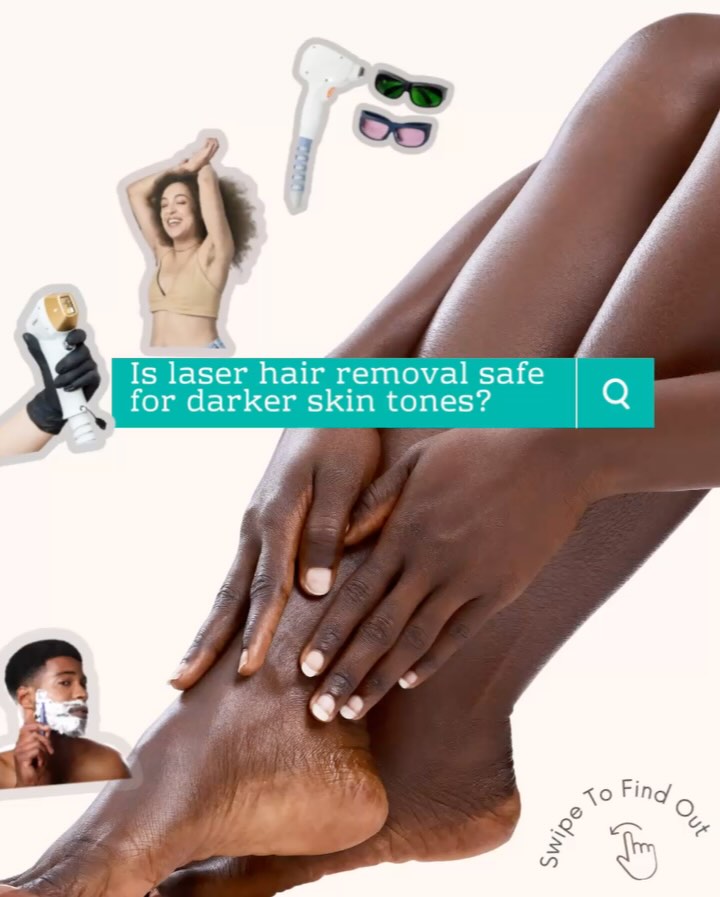
Laser hair removal is safe for darker skin tones, when it is done right
A New York esthetician breaks down why deeper complexions have been told the wrong story about laser hair removal, and what actually happens in her chair.
LASER BY MONICA STAFFTurn your social into search
We turn your posts into editorial stories that bring new search traffic to laserbymonica.com. Three of yours will be on this page.
Book a demo
laserbymonica I get this question a lot. So much it makes me sad in 2025, there are still so many misconceptions about laser practices and deeper skintones. That’s why I’m motivated to share my gift & change the laser hair removal narrative. A large portion of my clients are Women of Color and they’re all a beautiful array of complexions🤘🏻🤘🏽🤘🏾🤘🏿 hair free, spot free, and yes we did it pain free 🩵 Book a consultation, you’ll see 😉 #laserhair #nycesthetician #tristatearea #laserbymonica #beauty
A New York esthetician breaks down why deeper complexions have been told the wrong story about laser hair removal, and what actually happens in her chair.
LASER BY MONICA STAFFHow it works
Same as today. Nothing changes on Instagram.
We turn your post into a full story in your voice within the hour.
One click publishes it to laserbymonica.com. Nothing goes live without you.
Your stories
Nothing was published anywhere. You decide that. Every word will come from your own posts, your own photos and your own treatments.
Skin & Safety · From your post
A New York esthetician breaks down why deeper complexions have been told the wrong story about laser hair removal, and what actually happens in her chair.
“I get this question a lot. So much it makes me sad in 2025, there are still so many misconceptions about laser practices and deeper skintones. That’s why I’m motivated to share my gift & change the laser hair removal narrative. A large portion of my clients are Women of Color and they’re all a beautiful array of complexions🤘🏻🤘🏽🤘🏾🤘🏿 hair free, spot free, and yes we did it pain free 🩵 Book a consultation, you’ll see 😉 #laserhair #nycesthetician #tristatearea #laserbymonica #beauty”
Skin Results · From your post
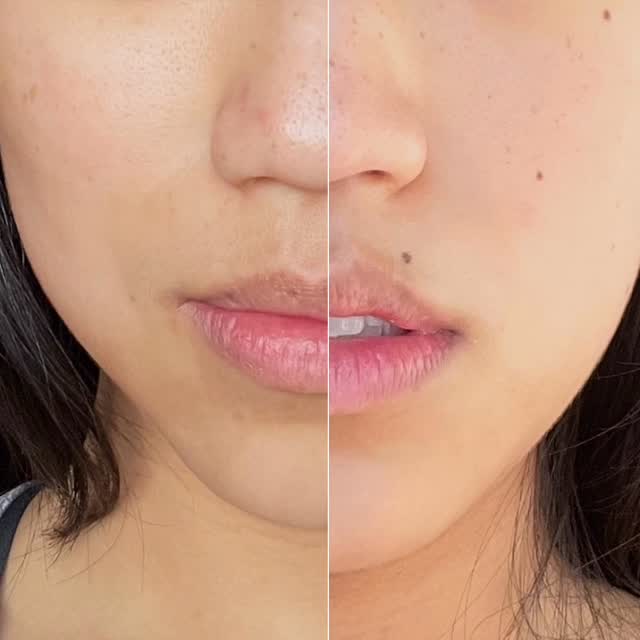
A closer look at how we approached brightness and even texture on Asian skin using the alexandrite laser over three sessions.
“I had a client ask if I have experience working with Asian Skin. Yup 👍 I do. This even texture, brightness and removal of pigmentation was achieved with the alexandrite laser. We did 3 treatments spaced about 6 to 8 weeks apart with minimal downtime. #MurrayHillNYC #NYCSkincare #NYCMedSpa #ManhattanSkinCare #HyperpigmentationNYC DarkSpotsNYC SunDamageNYC EvenSkinTone ClearerSkin RealSkinResults BoutiqueMedSpa AdvancedSkincare SkinExpertNYC PIHTreatment LaserForPigmentation”
Client Trust · From your post
A quiet message from a client became the clearest sign of what years of careful work actually build.
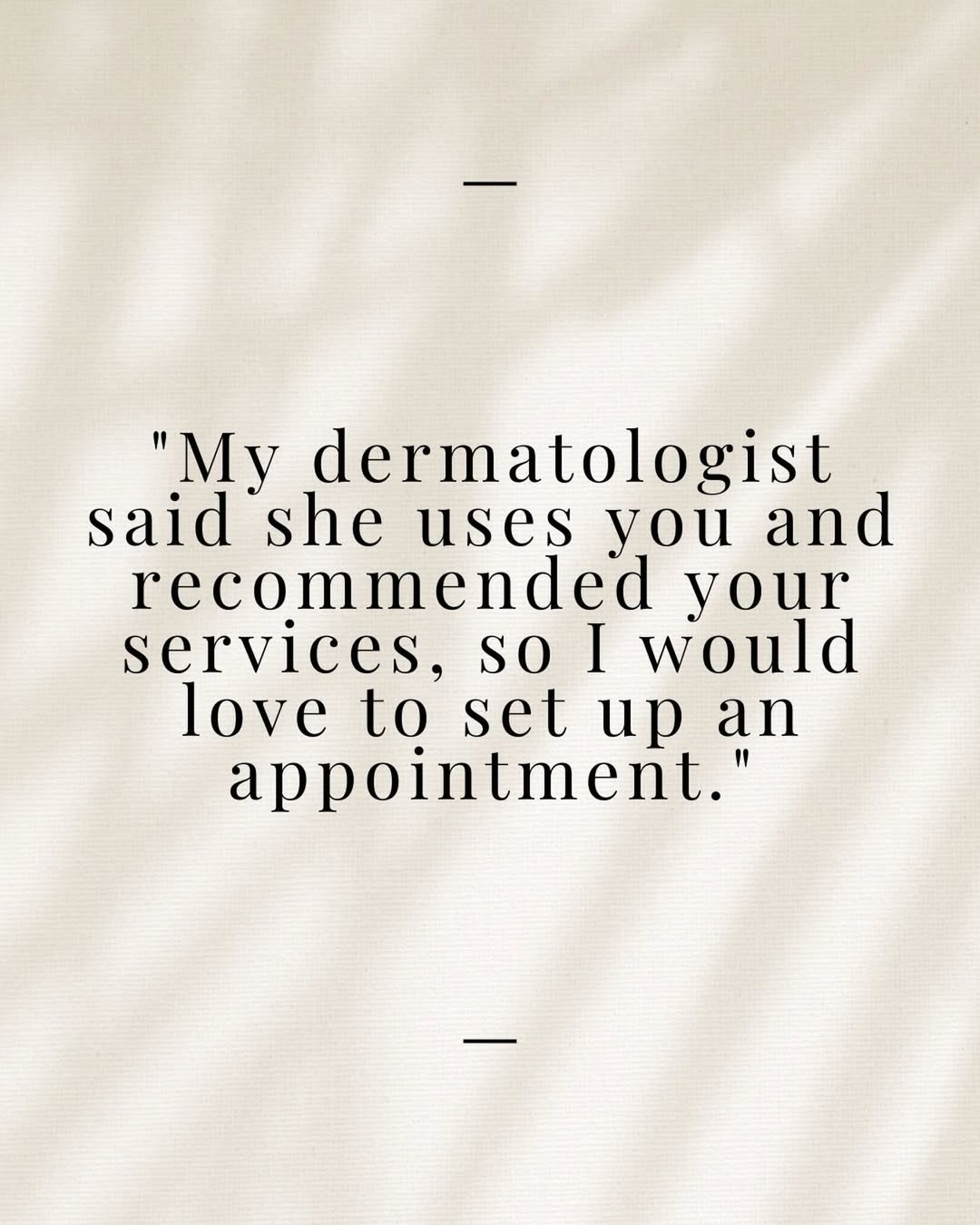
“Trust is Not Given Lightly thank you to all my MDs who are not only my clients but refer people to me. 🙏❤️”
One social post becomes another searchable entry point to Laser By Monica.
Our own magazine. Clicks and citations from Google Search Console, as of September 15, 2026.
Draft story for laserbymonica.com · Skin & Safety
A New York esthetician breaks down why deeper complexions have been told the wrong story about laser hair removal, and what actually happens in her chair.
We get this question constantly, and honestly, it makes us a little sad that in 2025 there are still so many misconceptions floating around about laser hair removal and deeper skin tones. It is one of the most common things a new client asks before they even sit down. So we wanted to answer it plainly, because the fear around this treatment is bigger than the actual risk when it is done by someone who understands melanin rich skin.
A large portion of our clients are Women of Color, and they arrive in a beautiful array of complexions. What they have in common when they leave is simple: hair free, spot free, and treated without unnecessary pain. That last part matters as much as the results. A lot of the hesitation we hear about laser hair removal is really hesitation about being hurt or left with marks, not hesitation about the idea of smooth skin itself.
The narrative that laser hair removal is risky for darker skin did not come from nowhere. Older laser technology and inexperienced hands have burned people, and that history is real. But the fix was never to avoid darker skin tones altogether, it was to get better trained on how to treat them. That distinction between outdated practice and outdated equipment is exactly what we are trying to change, one appointment at a time.
This is why we are motivated to share what we know and shift the conversation. It is not enough to tell someone their skin can be treated safely. We want them to actually see it happen, on a body that looks like theirs, with a result they can feel with their own hands. That is a very different kind of reassurance than a paragraph on a website, and it is the one that tends to stick.
In practice, that means the right settings, the right device, and eye protection for both the client and the person holding the laser, because the same beam that removes hair needs to be respected around the eyes. It also means not rushing a consultation. Skin tone, hair color, and hair density all inform how a treatment is approached, and none of that gets decided by guesswork. It gets decided by looking closely at the person in front of us.
Pain free is not a throwaway word in our world either. Clients come in bracing for a snapping, stinging sensation they have heard about from someone else's bad experience, and leave surprised that it was not like that at all. That gap between expectation and reality is often the biggest thing standing between a person and a treatment that could genuinely work for them, more than any technical concern about their skin.
We would rather show this than argue about it. A consultation gives us a chance to look at your skin directly, answer the specific questions you have, and explain what a realistic plan looks like for you, hair free and spot free included. There is no obligation attached to that first conversation, just information you can actually use before deciding anything about your own skin.
If you have been putting off laser hair removal because of something you heard, or because you have not seen someone who looks like you go through it successfully, that is exactly the gap we are trying to close here in New York. Book a consultation and see for yourself. The story about darker skin tones and laser treatment deserves an update, and we would rather you experience that update than take our word for it.
Draft story for laserbymonica.com · Skin Results
A closer look at how we approached brightness and even texture on Asian skin using the alexandrite laser over three sessions.
A client asked us a direct question recently: do we have experience treating Asian skin. The answer is yes, and the split image we're sharing is the clearest way we know to prove it. One side shows visible pigmentation along the cheek and jaw. The other shows a noticeably more even tone, with brightness that reads immediately even in a close, unfiltered shot.
The tool behind that change was the alexandrite laser, chosen specifically for how it interacts with pigment in the skin. It targets areas of excess melanin, the kind that shows up as dark spots or uneven patches after sun exposure or inflammation, without treating the surrounding skin the same way. That precision matters most on skin tones where the margin for error with pigmentation is smaller.
Asian skin often carries a higher risk of post inflammatory hyperpigmentation, meaning the wrong laser settings can leave new dark marks instead of removing existing ones. Treating it well isn't about using a stronger laser. It's about using the right wavelength, at the right intensity, with real attention to how that individual's skin has responded to pigment in the past before a single pass is made.
That's the experience the client was really asking about. Not whether we own the equipment, but whether we know how to calibrate it for skin that doesn't always behave like the default settings assume. The result in this case wasn't a single dramatic session. It was three treatments, spaced roughly six to eight weeks apart, allowing the skin time to recover and respond between each pass.
Spacing the treatments out that way is deliberate. Pigment doesn't lift all at once, and pushing sessions closer together on skin prone to PIH raises the risk of the exact problem we're trying to avoid. Six to eight weeks gives the skin barrier time to settle and gives us a clear read on how much pigment has actually cleared before deciding whether another pass is warranted.
The downtime between sessions stayed minimal, which is often the detail people care about most once they've decided pigmentation bothers them enough to treat. There's no extended recovery built into this plan, no weeks of visible peeling to work around. The tradeoff is patience over a few months rather than a single aggressive treatment that promises a faster result with a rougher recovery attached.
What the comparison actually shows is texture and tone, not a different face. The lips, the shape of the jaw, the freckles near the nose, none of that changed. What shifted is brightness and evenness across the cheek, the kind of change that shows up more in daylight and in photographs without makeup than in how someone feels day to day, which is exactly the point.
We treat pigmentation as its own category, separate from general skin tightening or texture work, because it responds to its own logic. Asian skin isn't a footnote in that process. It's a specific case that calls for a specific wavelength, a specific pace, and a plan built around avoiding the setbacks that come with treating it like every other skin type in the room.
Draft story for laserbymonica.com · Client Trust
A quiet message from a client became the clearest sign of what years of careful work actually build.
A message came in recently that stopped us for a moment. A client wrote that her dermatologist had recommended our services directly, telling her she uses us herself and trusts us enough to send her own patients our way. It is a small exchange on the surface, but for us it says something much bigger about the work we do every day in this space.
Referrals happen constantly in this industry, but not all referrals carry the same weight. A friend recommending a medspa is one thing. A medical doctor, someone trained to evaluate skin, technology, and safety at a clinical level, choosing to send her own patients to us is another thing entirely. That kind of trust is not handed out casually, and it is not something we take for granted.
We think about this often, because dermatologists see the results of laser and skin treatments constantly. They know what good work looks like and what does not. When one of them becomes a client herself, and then continues to refer people into our care, it tells us that what happens in our treatment rooms holds up to a level of scrutiny most clients never think to apply.
There is a difference between a client who found us online and a client who was sent by someone with a medical background. The second kind of client arrives already informed, already comparing what we do to a standard she understands professionally. Earning that comfort, appointment after appointment, is part of why relationships like this one mean so much to us and to how we think about our own standards.
We do not treat these referrals as marketing wins. We treat them as feedback. Every time a physician trusts us with her own patients, it becomes a quiet checkpoint on the care we are providing, the consistency of our results, and the way we communicate with clients before and after treatment. It is a relationship built appointment by appointment, not a single transaction we can point to once and move on from.
What stays with us most is the phrase itself: trust is not given lightly. It is a simple line, but it reflects exactly how we try to operate. Skin care and laser treatments involve real decisions about a person's body, and clients, especially ones referred by their own doctors, deserve a provider who understands the seriousness behind that decision rather than treating it as routine.
So when a new client tells us her dermatologist sent her, we hear it as more than a compliment. We hear a reminder of the responsibility we carry every time someone sits down in our chair. It is the kind of trust we hope to keep earning, one appointment, one consultation, and one honest conversation at a time.
We are grateful to every physician who has chosen to become a client and then chosen to send others our way. It is not something we ask for or expect, which is exactly why it means so much when it happens. Their confidence in our work is a standard we hold onto, and one we intend to keep living up to with every person who walks through our door.
Keep reading