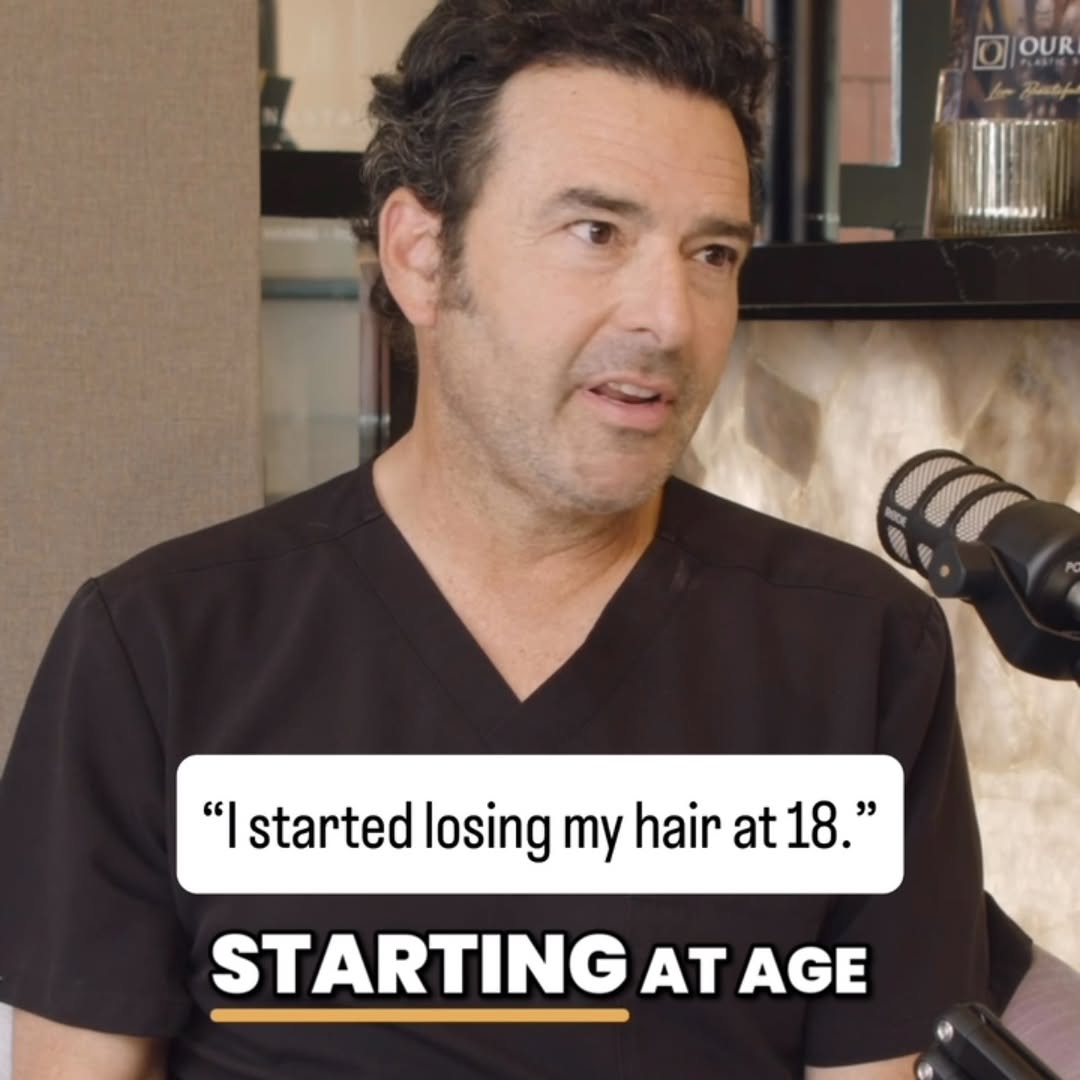
What eighteen years of hair loss taught a hair transplant surgeon
Dr. Marc Dauer talks hair loss myths, honest timelines, and what actually makes a transplant look natural.
MARC DAUER, M.D. STAFFTurn your social into search
We turn your posts into editorial stories that bring new search traffic to mdnewhair.com. Three of yours will be on this page.
Book a demo
eyebrowtransplant On the latest episode of Secrets of the Scalpel, Dr. Ariel Ourian sits down with hair restoration expert Dr. Marc Dauer for a deep dive into all things hair. By Dr. Ourian even opens up about his own hair restoration experience as they break down. Hair loss myths vs. facts • Why hair starts thinning • Dr. Ourian’s personal experience • FUE and hair transplant techniques • What makes a result look natural • Common hair restoration mistakes • Who makes a good candidate • What you should know before a hair transplant Hair loss is incredibly common, but there’s a lot of misinformation surrounding what actually works. Watch the full episode of Secrets of the Scalpel now. #secretsofthescalpel #drarielourian #drmarcdauer #hairtransplant #hairrestoration
Dr. Marc Dauer talks hair loss myths, honest timelines, and what actually makes a transplant look natural.
MARC DAUER, M.D. STAFFHow it works
Same as today. Nothing changes on Instagram.
We turn your post into a full story in your voice within the hour.
One click publishes it to mdnewhair.com. Nothing goes live without you.
Your stories
Nothing was published anywhere. You decide that. Every word will come from your own posts, your own photos and your own treatments.
Hair Restoration · From your post
Dr. Marc Dauer talks hair loss myths, honest timelines, and what actually makes a transplant look natural.
“On the latest episode of Secrets of the Scalpel, Dr. Ariel Ourian sits down with hair restoration expert Dr. Marc Dauer for a deep dive into all things hair. By Dr. Ourian even opens up about his own hair restoration experience as they break down. Hair loss myths vs. facts • Why hair starts thinning • Dr. Ourian’s personal experience • FUE and hair transplant techniques • What makes a result look natural • Common hair restoration mistakes • Who makes a good candidate • What you should know before a hair transplant Hair loss is incredibly common, but there’s a lot of misinformation surrounding what actually works. Watch the full episode of Secrets of the Scalpel now. #secretsofthescalpel #drarielourian #drmarcdauer #hairtransplant #hairrestoration”
Hair Restoration · From your post
On the latest episode of Secrets of the Scalpel, Dr. Marc Dauer joins Dr. Ariel Ourian to separate hair loss myths from what actually works.
“On the latest episode of Secrets of the Scalpel, Dr. Ariel Ourian sits down with hair restoration expert Dr. Marc Dauer for a deep dive into all things hair. Dr. Ourian even opens up about his own hair restoration experience as they break down. Hair loss myths vs. facts • Why hair starts thinning • Dr. Ourian’s personal experience • FUE and hair transplant techniques • What makes a result look natural • Common hair restoration mistakes • Who makes a good candidate • What you should know before a hair transplant Hair loss is incredibly common, but there’s a lot of misinformation surrounding what actually works. Watch the full episode of Secrets of the Scalpel now. #secretsofthescalpel #drarielourian #drmarcdauer #hairtransplant #hairrestoration”
Practice Philosophy · From your post
A look at the thinking behind our approach to hair and eyebrow restoration, from planning to results that hold up over time.
“Our approach is simple. do what’s right for the patient. ⠀⠀⠀⠀⠀⠀⠀⠀⠀ Thoughtful planning, expert technique, and results that evolve naturally over time. ⠀⠀⠀⠀⠀⠀⠀⠀⠀ This is hair restoration, done differently ✨ ⠀⠀⠀⠀⠀⠀⠀⠀⠀ #hairtransplant #eyebrowtransplant #hairrestoration #eyebrowrestoration #fuetransplant”
One social post becomes another searchable entry point to Marc Dauer, M.d..
Our own magazine. Clicks and citations from Google Search Console, as of September 15, 2026.
Draft story for mdnewhair.com · Hair Restoration
Dr. Marc Dauer talks hair loss myths, honest timelines, and what actually makes a transplant look natural.
Hair loss at eighteen is not the story most people expect to hear from a hair restoration surgeon, but it is Dr. Marc Dauer's story. On the latest episode of Secrets of the Scalpel, he sits down with Dr. Ariel Ourian to talk through what thinning hair actually looks like when it starts early, and why so much of what people believe about it is wrong.
The conversation moves through hair loss myths versus facts, why hair starts thinning in the first place, and the kind of personal experience that usually gets left out of clinical explanations. Dr. Ourian opens up about his own hair restoration experience, which turns the episode into something closer to two people comparing notes than a lecture from one expert to a patient.
That distinction matters because hair loss carries a strange kind of shame for something so common. Starting at eighteen means going through college, early jobs, and first impressions while watching a hairline change in ways that feel outside your control. Naming that timeline directly, rather than glossing over it, is part of what makes this episode useful instead of just promotional.
From there the discussion gets technical in the ways that actually help someone deciding what to do next. FUE and hair transplant techniques get broken down alongside the more subjective question of what makes a result look natural in the first place. Technique and outcome are treated as two separate conversations, because a technically sound procedure can still produce a result that looks off.
Common hair restoration mistakes come up too, which is often the part people skip when they are only looking at before and after photos. Understanding what tends to go wrong, whether in planning, technique, or expectations, is arguably more useful than understanding what a perfect result looks like, since it shapes the questions a prospective patient should be asking before booking anything.
Candidacy gets its own real estate in the episode as well. Who makes a good candidate for hair restoration is not a simple checklist, and treating it as one is part of the misinformation problem Dr. Dauer and Dr. Ourian are trying to correct. Age, pattern of loss, and personal goals all factor into whether a transplant is the right next step at all.
The episode closes on what someone should know before a hair transplant, which is really the practical payoff of everything discussed before it. Hair loss is common enough that almost everyone knows someone dealing with it, yet the amount of misinformation around what actually works remains high. Cutting through that noise is the point of putting two practitioners in the same room.
Secrets of the Scalpel exists for conversations like this one, where the goal is clarity rather than a pitch. Watching Dr. Ourian describe his own experience alongside Dr. Dauer's clinical perspective gives the episode a rare double vantage point, from the chair and from the surgeon's side of it. The full episode is available now for anyone trying to separate the myths from what actually holds up.
Draft story for mdnewhair.com · Hair Restoration
On the latest episode of Secrets of the Scalpel, Dr. Marc Dauer joins Dr. Ariel Ourian to separate hair loss myths from what actually works.
Patience is not the answer most people want when they finally decide to do something about hair loss, but it is the honest one. On the latest episode of Secrets of the Scalpel, we sat down with Dr. Ariel Ourian to talk through what actually happens after a hair transplant, and why the timeline matters as much as the technique itself.
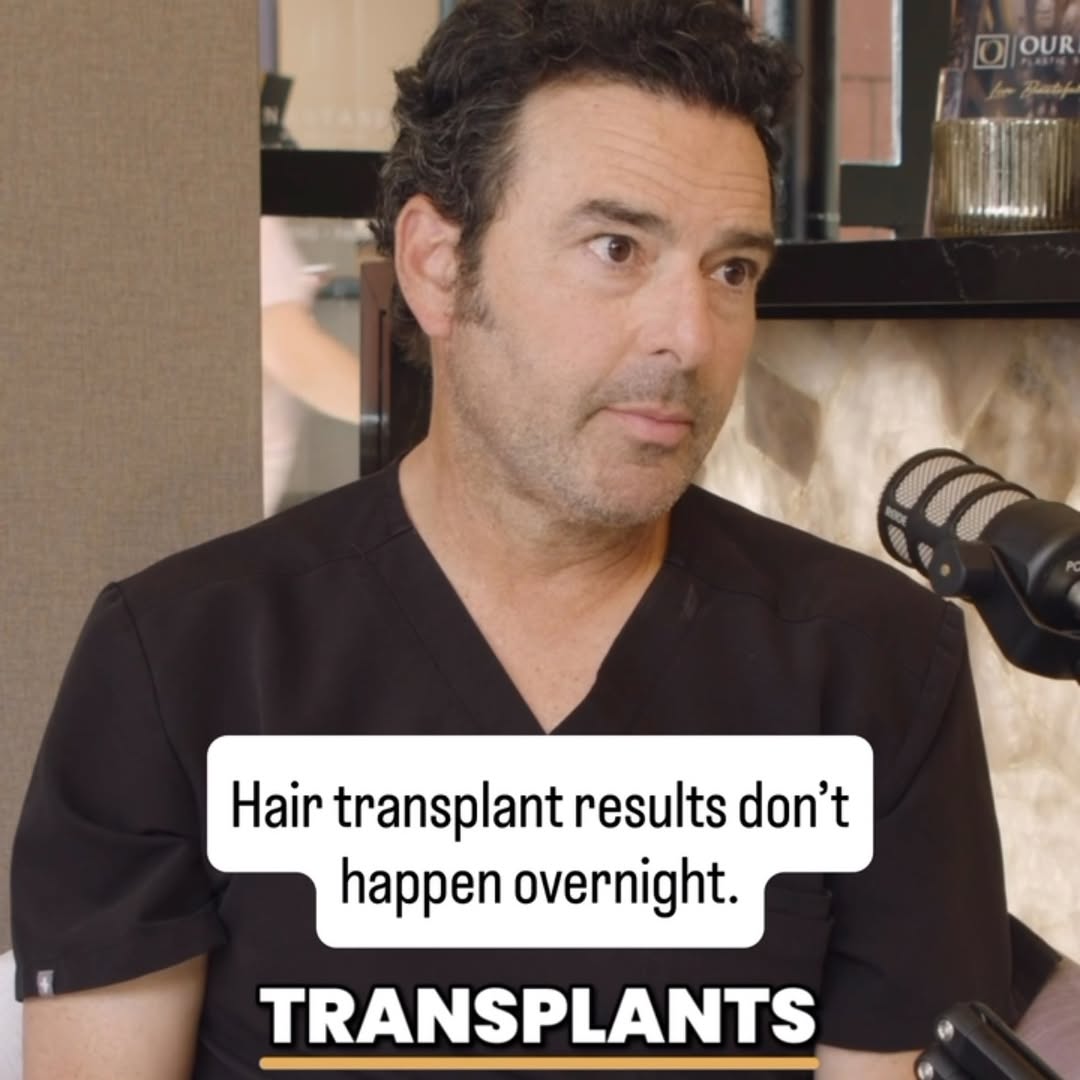
The conversation starts with a simple correction: results do not happen overnight. A transplant moves follicles into a new location, but those follicles still have to shed, rest, and cycle back into growth on their own schedule. Expecting immediate density is where a lot of frustration, and a lot of misinformation, tends to begin for people considering the procedure.
Hair loss is common enough that almost everyone has an opinion about it, which is part of the problem. We used the episode to walk through where thinning actually starts, how genetics and timing play into it, and why so many of the popular explanations people repeat do not hold up once you look at the biology underneath them.
Dr. Ourian added something most patients never get from a doctor discussing hair restoration: his own experience going through it. Hearing a physician describe his personal process, rather than just explaining it from the outside, changes the conversation. It turns a clinical topic into something grounded in what the experience is actually like to live through.
Technique gets discussed constantly in this field, and FUE came up as one of the central methods we covered, but technique is only part of what makes a result look right. Angle, density, and how closely the transplanted hair follows a person's existing growth pattern matter just as much. Skip any of that and even a technically sound procedure can look obviously done.
We also talked through the mistakes that show up most often, from unrealistic expectations about timing to decisions made without understanding what the healing process actually requires. Avoiding those mistakes has less to do with luck and more to do with being informed going in, which is a large part of why we wanted this conversation on the record.
Not everyone considering a transplant is a good fit for one, and that is a harder truth than most marketing around hair restoration wants to admit. We broke down the factors that actually determine candidacy, because matching the right person to the right approach matters more than any single technique discussed earlier in the episode.
The full conversation covers all of it in order: the myths, the science, the personal account, the techniques, and the practical advice someone should hear before booking a consultation. Secrets of the Scalpel was built for exactly this kind of unhurried, detailed discussion, and this episode with Dr. Ourian is now available to watch in full.
Draft story for mdnewhair.com · Practice Philosophy
A look at the thinking behind our approach to hair and eyebrow restoration, from planning to results that hold up over time.
Our approach is simple: do what is right for the patient. It sounds obvious, but it shapes every decision in the practice, from the first consultation to the smallest detail of a procedure. We are not interested in a one size fits all plan. We are interested in what actually makes sense for the person sitting in the chair, given their hairline, their goals, and their expectations.
That starts with planning. Before any procedure happens, there is a period of thinking through the shape of a hairline, the density needed in a given area, and how a result will look not just next month but years down the line. This is not a rushed step. It is the part of the process where the outcome is actually decided, long before a single graft is placed.
A good plan still depends on execution. That is where expert technique comes in, whether the work involves a hairline, a beard, or an eyebrow transplant. Eyebrows in particular require a different level of precision, since the margin for error is smaller and the surrounding features are more exposed. There is very little room to correct course once the work has started.
We think about hair and eyebrow restoration as a craft, not a routine procedure performed the same way for every patient. Two people can want similar outcomes and still need very different approaches, based on how their hair grows, how their features are structured, and what they are trying to restore or refine. Treating those cases identically is where results start to fall short.
Results that evolve naturally over time are the real measure of whether an approach worked. Hair growth is not immediate, and it should not look immediate. The goal is a result that settles in gradually, integrates with what is already there, and continues to look like it belongs on that person's face or scalp long after the initial healing period has passed.
That patience is intentional. A result that looks convincing on day one but obvious a year later has not actually succeeded. We would rather build toward an outcome that keeps improving as it grows in, than aim for something that peaks early and never quite reads as natural. That difference is not always visible right away, but it becomes clear over time.
This is what we mean when we say hair restoration, done differently. It is not a slogan so much as a description of the order of operations: think first, execute with precision, and let the results speak for themselves as they develop. Eyebrow restoration, hairline work, and beard transplants all follow that same sequence, regardless of how different the end goals look.
None of this is complicated in theory. Plan carefully, work precisely, and let the outcome take the time it needs to look right. What makes it hold up in practice is refusing to skip any of those steps, even when a faster or simpler path might be available. That discipline is the actual work behind every result we stand behind.
Keep reading