What actually happens to skin when laxity sets in
A closer look at why skin loses its grip and how RF microneedling works with that process instead of against it.
MD AESTHETICS, INC. STAFFTurn your social into search
We turn your posts into editorial stories that bring new search traffic to advance-esthetic.us. Three of yours will be on this page.
Book a demo
zemits.official Skin laxity is one of the most common concerns clients bring into the treatment room. especially after weight loss or as collagen and elastin naturally decline. For estheticians, RF microneedling can be a powerful option for addressing this concern. By combining controlled microneedling with radiofrequency energy, the treatment supports collagen remodeling and can help improve the appearance of skin firmness, texture, and laxity. Zemits SkyLuxx gives professionals the flexibility to work at different levels and customize treatments based on the client’s skin and goals. Comment “SKY” to learn more about this technology. #Zemits #SkyLuxx #RFMicroneedling #SkinLaxity #skinfirming
A closer look at why skin loses its grip and how RF microneedling works with that process instead of against it.
MD AESTHETICS, INC. STAFFHow it works
Same as today. Nothing changes on Instagram.
We turn your post into a full story in your voice within the hour.
One click publishes it to advance-esthetic.us. Nothing goes live without you.
Your stories
Nothing was published anywhere. You decide that. Every word will come from your own posts, your own photos and your own treatments.
Skin Science · From your post
A closer look at why skin loses its grip and how RF microneedling works with that process instead of against it.
“Skin laxity is one of the most common concerns clients bring into the treatment room. especially after weight loss or as collagen and elastin naturally decline. For estheticians, RF microneedling can be a powerful option for addressing this concern. By combining controlled microneedling with radiofrequency energy, the treatment supports collagen remodeling and can help improve the appearance of skin firmness, texture, and laxity. Zemits SkyLuxx gives professionals the flexibility to work at different levels and customize treatments based on the client’s skin and goals. Comment “SKY” to learn more about this technology. #Zemits #SkyLuxx #RFMicroneedling #SkinLaxity #skinfirming”
Facial Technique · From your post
A closer look at the mechanical lift behind vacuum massage and why estheticians add it to professional protocols.
“Why do clients love vacuum facial treatments? Gentle vacuum suction lifts the tissue and creates a mechanical stimulation that temporarily increases local blood flow and supports lymphatic fluid movement. The result? Skin can look less puffy, fresher, more sculpted, and revitalized. which makes vacuum massage a great addition to professional facial protocols. With the Zemits JoliPeel Pro, estheticians can bring professional vacuum based techniques into the treatment room alongside advanced diamond microdermabrasion. Want to learn more about JoliPeel Pro? Comment “VACUUM” and we’ll send you more information. #Zemits #JoliPeelPro #VacuumMassage #FacialCupping #Esthetician”
Scalp Care · From your post
A licensed esthetician built a scalp protocol around high frequency and cold plasma, and the before and after shows the difference.
“Look at this before & after 👀 This is a real result after 3 supportive scalp care sessions using a combination of professional scalp preparation, High Frequency, and Cold Plasma. Behind this case is our Zemits Ambassador @mhbeautyskincare Mariangel Hospedales, Licensed Esthetician, who built the protocol step by step based on the client’s scalp needs. Swipe through the post to see exactly what she used, how each step worked, and the logic behind the protocol. Save this post so you can come back to the protocol later. #Zemits #ScalpCare #ColdPlasma #HighFrequency #Esthetician HairGrowth”
One social post becomes another searchable entry point to Md Aesthetics, Inc..
Our own magazine. Clicks and citations from Google Search Console, as of September 15, 2026.
Draft story for advance-esthetic.us · Skin Science
A closer look at why skin loses its grip and how RF microneedling works with that process instead of against it.
Skin laxity is one of the most common concerns clients bring into the treatment room. It shows up after weight loss, after pregnancy, or simply with time, as collagen and elastin production slows. The skin that once snapped back now holds a little more slack along the cheeks, jawline, and under the eyes, and that change is often what brings someone in for a consultation in the first place.
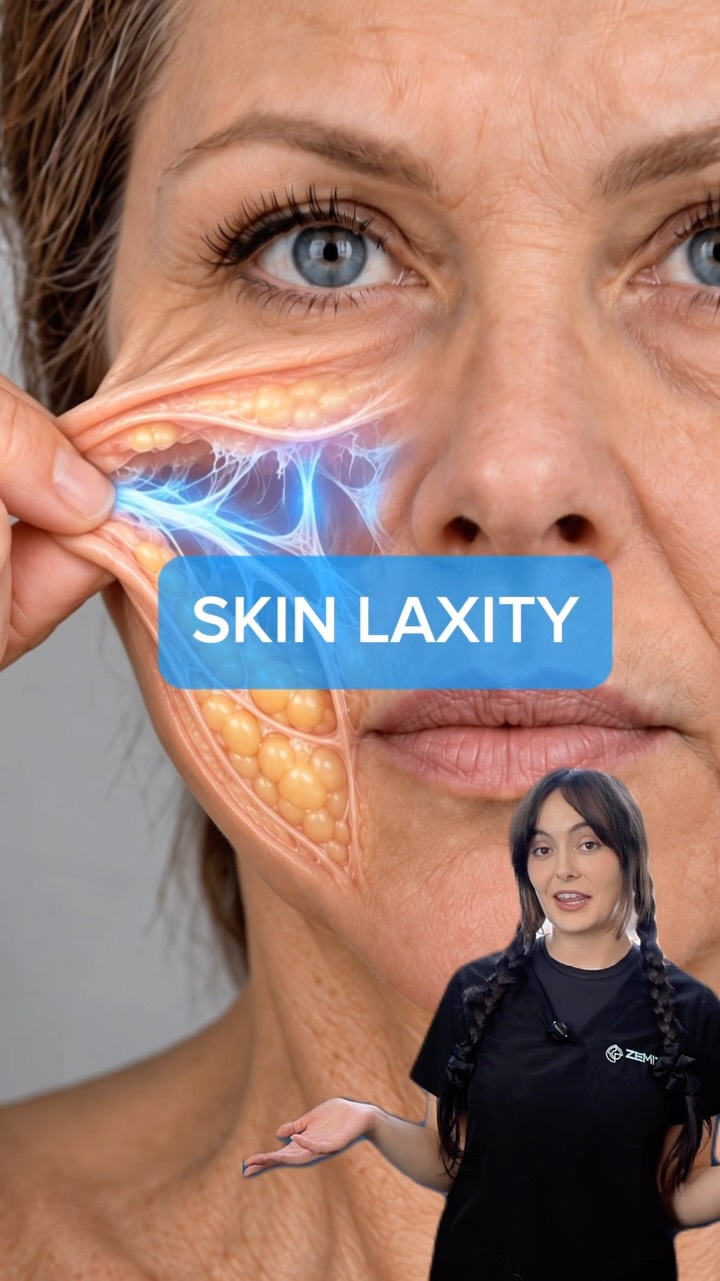
The cross section view of the cheek tells the real story. Beneath the surface sits a layer of fat pockets, connective tissue, and a dense web of collagen and elastin fibers that give skin its structure. When that fibrous network is strong, skin sits close to the tissue underneath. When it weakens, the surface loosens, and fine lines and sagging follow even when weight and hydration stay the same.
This is why surface only treatments tend to fall short for true laxity. A serum or a light peel works on the top layer of skin, but the sagging feeling comes from changes happening further down, in the collagen scaffolding itself. Addressing laxity in a meaningful way means reaching that deeper layer without damaging the surface, which is a harder balance than it sounds.
RF microneedling is built around that exact problem. Fine needles create controlled micro channels in the skin while radiofrequency energy is delivered at the same time, reaching the deeper dermal layer where collagen and elastin are produced. The combination signals the skin to remodel itself from within, which is a different mechanism than treatments that only work on the visible surface.
For estheticians, having a device that adjusts is part of what makes RF microneedling practical across different clients. Zemits SkyLuxx gives professionals the flexibility to work at different levels, so a treatment plan for early laxity around the eyes can look different from one addressing more advanced sagging along the jaw, without switching to an entirely different tool or protocol.
That flexibility also matters because skin laxity is not one condition with one severity. A client in their thirties dealing with early elastin decline needs a different depth and energy setting than someone addressing looser skin after significant weight loss. SkyLuxx is designed to let the provider customize based on the client's skin and goals rather than applying the same setting to everyone who walks in.
What this really comes down to is treating skin laxity as a structural issue, not just a cosmetic one. The fibers holding skin taut are living tissue that responds to stimulation, which is why remodeling collagen from within tends to produce results that hold up differently than surface treatments alone, especially for clients whose laxity is tied to collagen decline rather than surface texture.
For professionals building out a skin firming menu, understanding the layer being treated is the starting point before any device gets involved. Comment SKY to learn more about how SkyLuxx approaches RF microneedling and where it fits alongside other tools already in the treatment room.
Draft story for advance-esthetic.us · Facial Technique
A closer look at the mechanical lift behind vacuum massage and why estheticians add it to professional protocols.
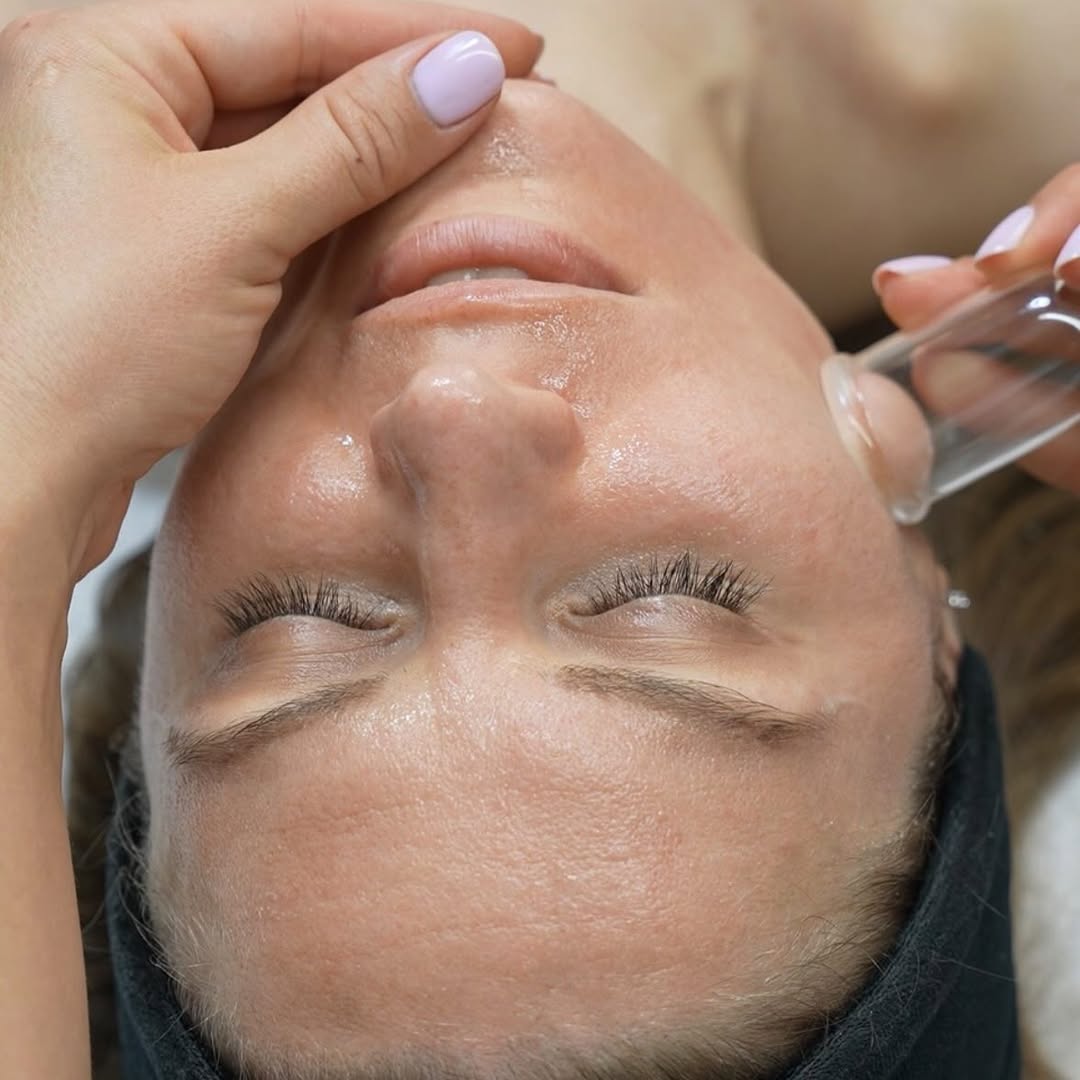
A client lies back, eyes closed, skin catching light under a thin layer of product. A gloved hand steadies the forehead while a clear vacuum tip glides along the cheekbone. Nothing about the motion looks dramatic. That is the point. Vacuum facial work is quiet, controlled, and repetitive, which is exactly what lets it do its job without disrupting the rest of a treatment.
The mechanism is simple to explain even if it feels a little unfamiliar to describe out loud. Gentle suction lifts the tissue just enough to create mechanical stimulation. That stimulation temporarily increases local blood flow and supports the movement of lymphatic fluid underneath the skin. Nothing is extracted or forced. The tissue is coaxed, not pulled, and the effect builds through steady, gliding contact.
Clients tend to focus on the suction itself, but the more useful way to think about it is the lift it creates. That temporary lift is what encourages circulation to respond and gives fluid a clearer path to move. Skin can look less puffy afterward, a little fresher, more sculpted along the contours of the face. It is a mechanical result, not a chemical one, which is part of why it pairs so easily with other steps.
That pairing is exactly why vacuum massage earns a place inside a full facial protocol rather than standing alone as a single service. It works well as a supporting technique, something layered in alongside deeper treatment goals instead of replacing them. The gentle, repeatable nature of the motion means it can be added without overwhelming skin that is already being worked on in other ways during the same session.
With the Zemits JoliPeel Pro, we can bring that vacuum based technique directly into the treatment room in a way that fits alongside advanced diamond microdermabrasion. Having both capabilities in one device changes how a protocol gets built. An esthetician can move between mechanical exfoliation and vacuum stimulation without switching equipment or breaking the flow of a session, which keeps the client's experience smooth from start to finish.
That kind of flexibility matters most in the middle of a real appointment, not in a product description. A single device covering two distinct techniques means fewer transitions, less setup between steps, and more room to adjust a treatment plan for what a particular client's skin actually needs that day. It is a practical detail, but practical details are usually what estheticians care about most.
What stands out watching the process is how unforced it looks. The hand guiding the tip moves slowly, almost rhythmically, and the skin underneath simply responds to that consistency over time. There is no aggressive pulling, no visible strain. The gentleness is not a limitation of the technique. It is the reason the lift and the fluid movement happen in the first place.
If you're curious how vacuum based work might fit into your own protocols or your own skin, we're happy to walk through it. Comment VACUUM and we will send over more information on the JoliPeel Pro, including how the vacuum function and the diamond microdermabrasion function are meant to work together across a single treatment.
Draft story for advance-esthetic.us · Scalp Care
A licensed esthetician built a scalp protocol around high frequency and cold plasma, and the before and after shows the difference.
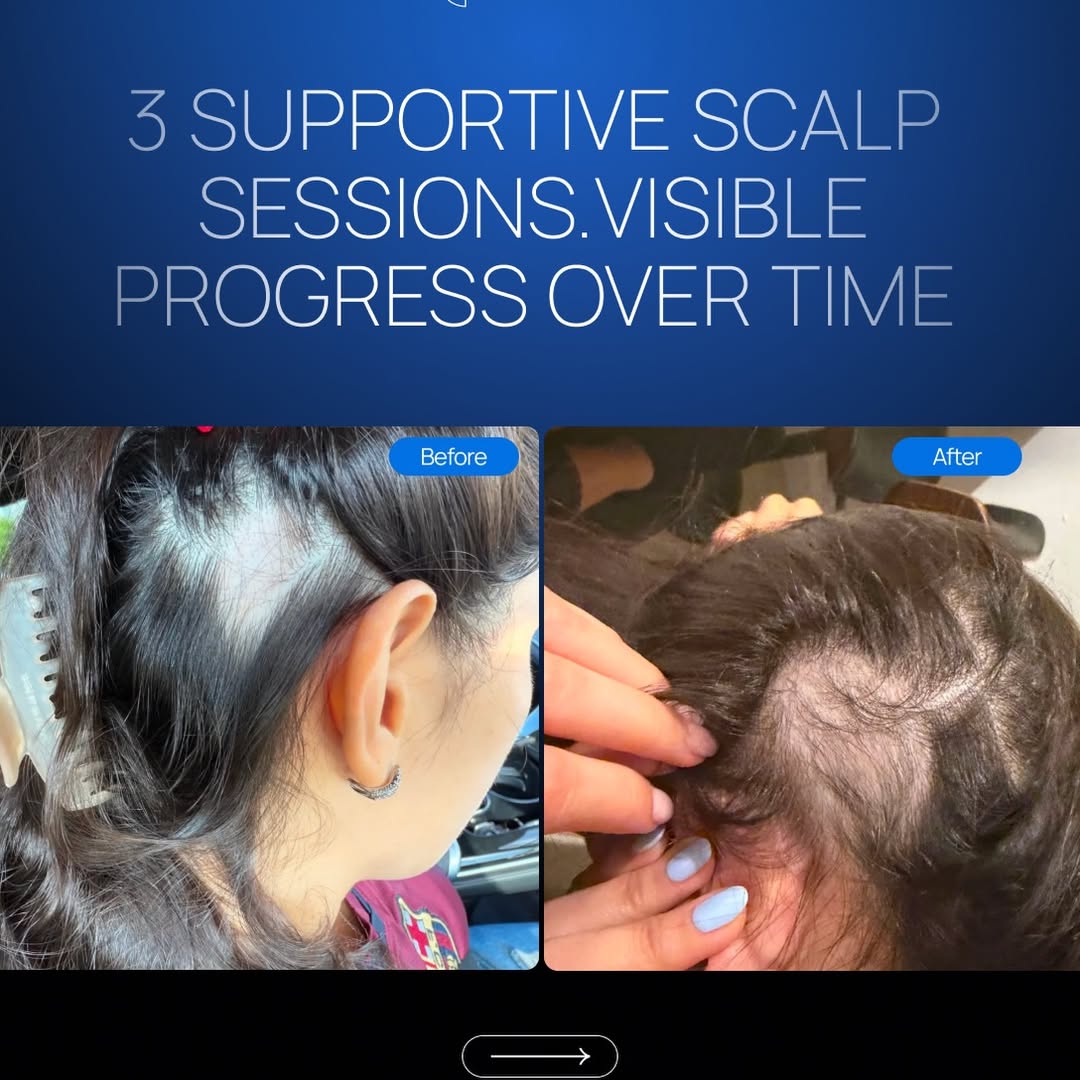
Before and after photos are common in this industry, but the two side by side here show something more specific than a general improvement. The part line that was wide and thin in the first photo looks noticeably fuller in the second. That change came from three supportive scalp care sessions, not a single treatment, and not a quick fix promised overnight.
The protocol combined professional scalp preparation with High Frequency and Cold Plasma, three tools used together rather than in isolation. Each step served a purpose in preparing the scalp, addressing it directly, and supporting the result afterward. None of these steps alone tells the full story. It is the sequence, repeated across three sessions, that produced the change visible in the after photo.
This case was developed by our Zemits Ambassador Mariangel Hospedales, a Licensed Esthetician who built the protocol step by step based on what this particular scalp needed. That distinction matters. A scalp care plan is not a fixed formula applied the same way to everyone who sits in the chair. It is shaped by what the esthetician actually sees and adjusts session to session.
In the before photo, the client's hair is pulled back and clipped, exposing a visible thinning area near the crown and part. In the after photo, hands are shown parting the hair to reveal denser coverage across that same region. The comparison is not staged for effect. It is simply the same section of scalp, photographed the same way, three sessions apart.
High Frequency and Cold Plasma are technologies, not marketing terms, and each has a distinct role in a scalp protocol. Professional scalp preparation comes first to ready the area for treatment. High Frequency and Cold Plasma are then applied as the supportive core of the session. Together they form a repeatable structure that can be documented, adjusted, and explained step by step.
That is part of why this particular case was shared in detail rather than summarized. The full walkthrough shows exactly what was used, how each step worked, and the reasoning behind the order it was applied in. For an esthetician building their own scalp care approach, or a client trying to understand what a treatment plan actually involves, that level of detail is the useful part.
Three sessions is a short enough timeline to be honest about what supportive scalp care can realistically show, and long enough to demonstrate that consistency plays a role. This is not framed as a permanent solution or a guaranteed outcome for every scalp. It is one documented case, with a clear starting point, a clear process, and a photographed result at the end of it.
We treat this kind of documentation as something worth revisiting, which is why the protocol was laid out in full rather than condensed into a single claim. Estheticians studying scalp work can look at the sequence and the logic behind it. Clients can see what three sessions of consistent, targeted care actually looks like on a real scalp, photographed under the same conditions each time.
Keep reading