Martabak is the Indonesian dish worth learning to pronounce
At Simpang Asia, a stuffed, griddled pastry becomes a small lesson in how a name shapes the way we eat.
SIMPANG ASIA STAFFTurn your social into search
We turn your posts into editorial stories that bring new search traffic to simpangasia.com. Three of yours will be on this page.
Book a demo
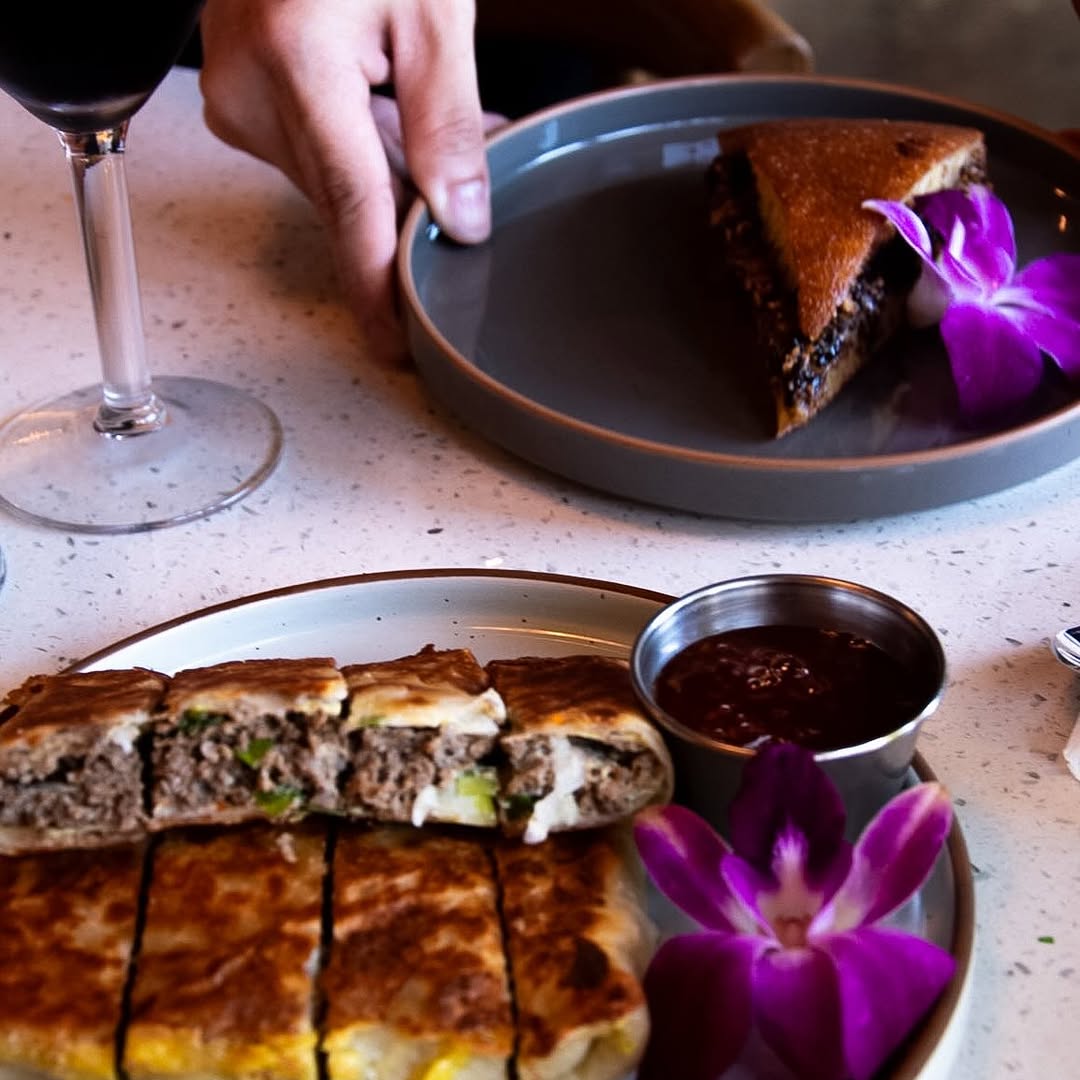
simpangasia Can you say Martabak? 👀🇮🇩 Here’s how. mar TAH bak! 🗣️✨ Now that you know how to say it, the next step is trying it! 😋 📍 Simpang Asia | Simpang Venice #SimpangAsia #SimpangVenice #Martabak #IndonesianPancake #Indo101
At Simpang Asia, a stuffed, griddled pastry becomes a small lesson in how a name shapes the way we eat.
SIMPANG ASIA STAFFHow it works
Same as today. Nothing changes on Instagram.
We turn your post into a full story in your voice within the hour.
One click publishes it to simpangasia.com. Nothing goes live without you.
Your stories
Nothing was published anywhere. You decide that. Every word will come from your own posts, your own photos and your own menu.
Indonesian Kitchen · From your post
At Simpang Asia, a stuffed, griddled pastry becomes a small lesson in how a name shapes the way we eat.
“Can you say Martabak? 👀🇮🇩 Here’s how. mar TAH bak! 🗣️✨ Now that you know how to say it, the next step is trying it! 😋 📍 Simpang Asia | Simpang Venice #SimpangAsia #SimpangVenice #Martabak #IndonesianPancake #Indo101”
House Sambals · From your post
Our house sambals run on an Indonesian scale, and the word medium does not mean what it means everywhere else.
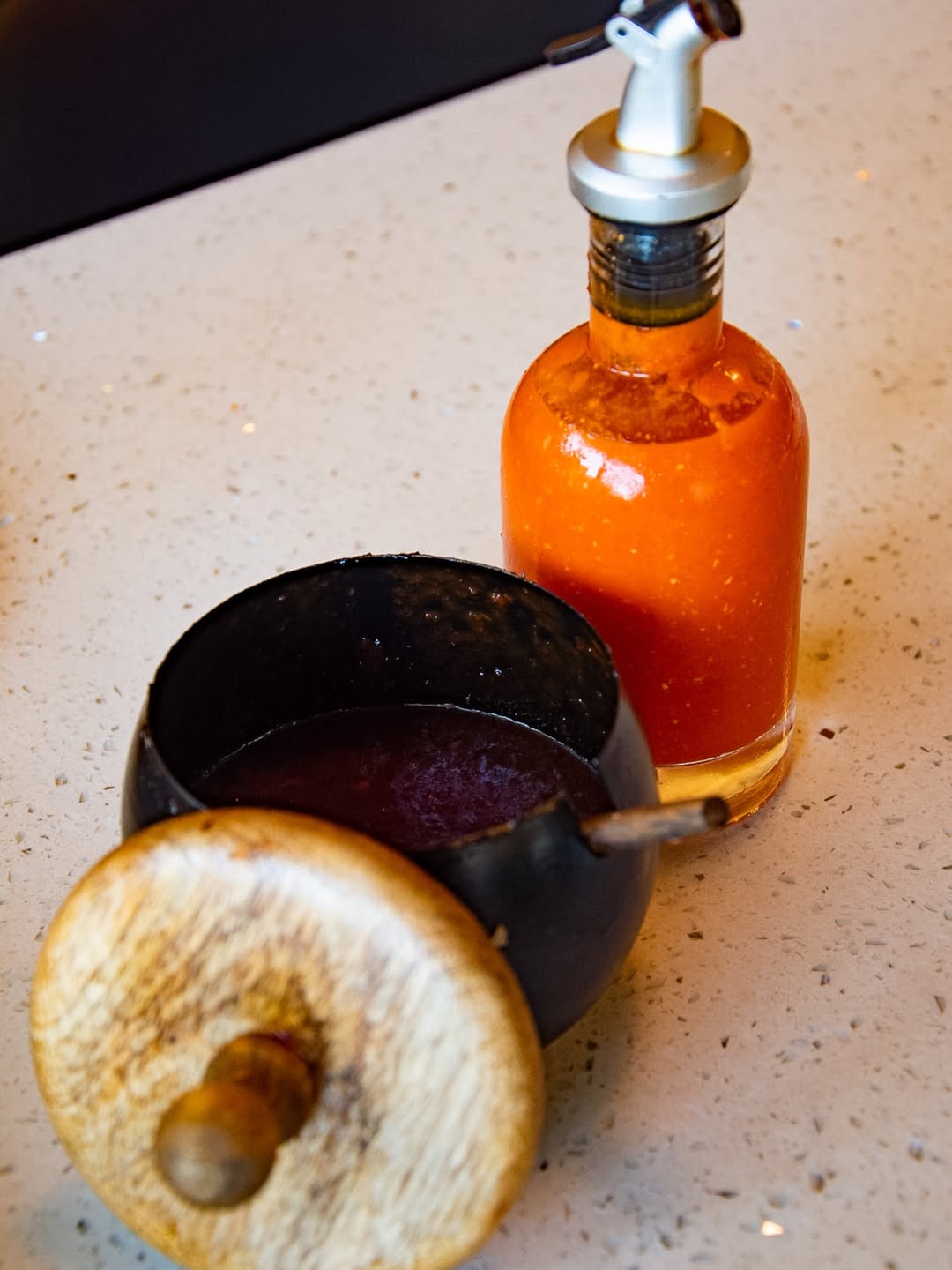
“Indonesian spicy and American spicy are two different things. 😂🌶️ Our “medium” might need a translation. 🔥 #SimpangAsia #SimpangVenice #sambals”
On The Menu · From your post
CNN once ranked rendang the best food in the world, and at Simpang Asia we understand exactly why.
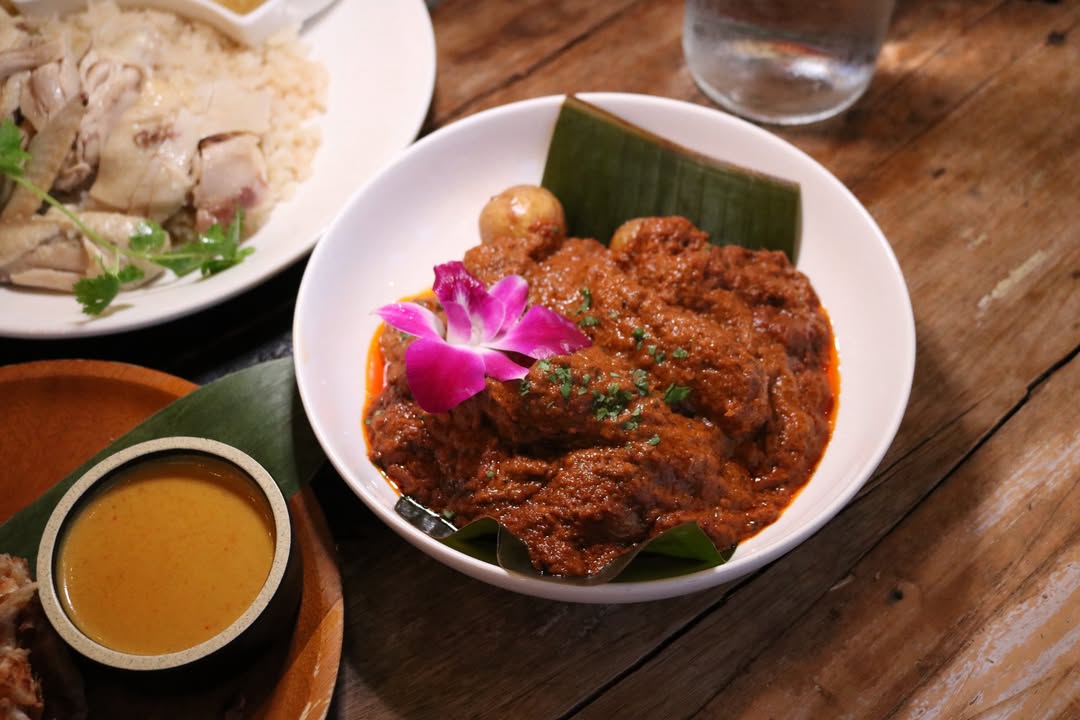
“CNN once named rendang the #1 food in the world. Indonesians. obviously. 😂 📸 itsjustjia via TikTok #SimpangAsia #rendang #BraisedBeefSteak #WorldRecognition”
One social post becomes another searchable entry point to Simpang Asia.
Our own magazine. Clicks and citations from Google Search Console, as of September 15, 2026.
Draft story for simpangasia.com · Indonesian Kitchen
At Simpang Asia, a stuffed, griddled pastry becomes a small lesson in how a name shapes the way we eat.
Martabak is not a dish that explains itself on sight. Cut into neat rectangles and stacked on a plate, it looks like a folded flatbread until the first piece reveals ground beef and green onion tucked between crisp, buttery layers. Learning to say the word correctly, mar TAH bak, turns out to be the easiest part of getting to know it.
We put the pronunciation front and center because martabak deserves to be asked for by name, not pointed at on a menu. It is a dish with its own rhythm of saying, and once a guest can say it with confidence, ordering it stops feeling like a guess and starts feeling like a decision they are actually making for themselves.
The martabak at Simpang Venice arrives sliced into shareable strips, the dough griddled until the edges turn golden and slightly crackled. Inside, the beef filling is loose and savory, flecked with green onion for a little sharpness against the richness of the pastry. A small metal cup of dark, tangy sauce sits alongside it, meant for dipping rather than pouring, so every bite can be adjusted to taste.
Across the table, a second plate holds a grilled sandwich cut into a clean triangle, its filling dark and dense between charred bread. It is a reminder that this is a table built around contrast, familiar shapes next to something that asks a few more questions. Both dishes share the same instinct: crisp on the outside, something worth discovering once you cut in.
Calling it an Indonesian pancake gets close, but it undersells what martabak actually is. It is not sweet in this form, and it is not meant to be eaten quietly on the side. It is closer to a stuffed, folded bread, savory and substantial enough to anchor a meal rather than accompany one. The name carries that distinction, which is part of why we want people saying it correctly from the start.
Orchids rest at the edge of both plates, a small but deliberate detail that turns a shared appetizer into something closer to an occasion. It is a quiet signal that a dish this specific, this rooted in where it comes from, is worth presenting with a little care rather than rushing it out as an afterthought before the rest of the meal arrives.
Knowing how to say martabak is only useful once you actually order it, and that is the point we keep coming back to. The name is short, the pronunciation is simple once you hear it, and the dish itself rewards curiosity almost immediately. At Simpang Venice, it sits ready on the table, sliced and waiting, for anyone willing to ask for it by its real name.
Some dishes need a story to make them interesting. Martabak mostly needs an introduction. Once the name is out of the way, what is left is a plate of griddled dough, spiced beef, and a sauce built to cut through the richness, all sliced small enough to pass around a table that is already leaning in to take a piece.
Draft story for simpangasia.com · House Sambals
Our house sambals run on an Indonesian scale, and the word medium does not mean what it means everywhere else.
There are two sauces on the counter when this conversation comes up. One sits in a glass bottle with a metal pour spout, bright orange, slightly cloudy, catching light near the top where it has been used recently. The other lives in a small dark bowl with a wooden lid set beside it, deep red brown, thicker, closer to a paste than a liquid. Different colors, different textures, different jobs.
The orange one behaves like a table sauce. It pours. You can shake it over fried rice or noodles the way you would any bottled hot sauce, controlling the amount drop by drop through that spout. The dark one in the bowl is a sambal in the more traditional sense, dense enough to sit on a spoon, meant to be scooped rather than poured, closer to a condiment you add in deliberate amounts.
Here is the actual translation problem. In a lot of American kitchens, medium spicy means noticeable but manageable, something you could hand to a curious first timer without much warning. Indonesian spicy operates on a different scale entirely, built around chilies and sambal traditions that assume heat is a baseline, not a special request. So when we say medium, we are using our scale, not a borrowed one.
That gap is not a joke we are making at anyone's expense. It is a real calibration issue that comes up constantly at the counter. Someone orders medium expecting a gentle kick and gets something with actual presence. Someone else orders it expecting real heat and finds it exactly right. Both reactions make sense once you understand that the scale itself shifted, not the definition of medium within it.
The bottled sambal and the bowled sambal are not interchangeable, and that is part of the point. One is fast and pourable, built for adding heat in small measured amounts across a whole plate. The other is closer to a spoonful of concentrated flavor, chili forward and thicker, meant to be mixed into a bite rather than splashed over the top. Reaching for the wrong one changes the meal more than people expect.
Neither is labeled with a number or a star system, because heat here is not really about ranking. It is about which sambal fits the dish in front of you. Fried rice might want the pourable one for even coverage. A single bite of something rich might want a small scoop of the darker paste instead, where its thickness holds up rather than disappearing into the plate.
We could rename the spice levels to avoid the confusion, but that would flatten something worth keeping. The mismatch is honest. It reflects a real difference in how heat gets built into food depending on where the tradition comes from, and renaming it would just trade one imprecise word for another. Better to let medium mean what it means here and let people find that out at the table.
So take the warning seriously, but not literally. Medium is not a trick, and it is not exaggerated for effect. It is simply calibrated to a different baseline than the one most people walk in with, sitting quietly in that orange bottle and that dark wooden bowl until someone reaches for either one expecting less than they are about to get.
Draft story for simpangasia.com · On The Menu
CNN once ranked rendang the best food in the world, and at Simpang Asia we understand exactly why.
A bowl of rendang does not need much dressing up to make its case. Deep red brown beef sits over banana leaf, glossy with the sauce it braised in, a single orchid tucked against the rim for color. Two small boiled eggs rest near the top. It looks rich because it is rich, built from hours of slow reduction rather than a quick simmer.
CNN once named rendang the number one food in the world, a ranking that Indonesians tend to greet with a shrug rather than surprise. Of course it topped the list. Anyone who grew up with rendang on the table already understood what the rest of the world was catching up to. We feel the same way every time a new plate goes out.
Rendang is not a curry in the way people often assume. It starts as a curry, then keeps cooking long after most curries would be finished, until the liquid disappears into the meat instead of surrounding it. What is left behind is concentrated: coconut milk reduced to something closer to paste, spices that have had time to fully settle into the beef rather than just coat it.
That long cook is why the texture matters as much as the flavor. The beef in our braised beef steak rendang pulls apart easily, but it holds its shape on the plate, no shredding, no falling apart into strands. The sauce clings rather than pools. Every bite carries the same weight of spice all the way through, not just seasoning on the surface.
We plate rendang simply, on banana leaf, because the dish has already done the hard work. The boiled eggs add a plainer, softer note against all that concentrated spice. A small cup of golden broth on the side, the kind that usually accompanies our hainanese chicken rice, gives a lighter contrast if the table wants to cut the richness between bites.
Ordering it next to chicken rice is not unusual in our dining room. One dish is pale, herbal, built around rice and ginger. The other is dark, dense, and slow. Having both on the table at once shows two very different registers of Indonesian and regional cooking side by side, without either one needing to compete for attention.
It is easy to be skeptical of any list that crowns a single dish the best in the world. Food does not really work that way, and we know it. But rendang has a way of making the argument on its own terms, one spoonful at a time, without needing a headline to back it up. The ranking just gave people a reason to finally try it.
For us, the reaction is simple. Indonesians already knew. The rest of the table is welcome to find out for themselves, one bowl at a time, whenever they are ready to sit with something that took its time to get here.
Keep reading