Why fall is the best time at The Dermatology Collective to treat sun damage
With sun exposure down, we use these months to address pigment, texture, scarring and overall skin quality before winter.
THE DERMATOLOGY COLLECTIVE STAFFTurn your social into search
We turn your posts into editorial stories that bring new search traffic to thedermatologycollective.com. Three of yours will be on this page.
Book a demo
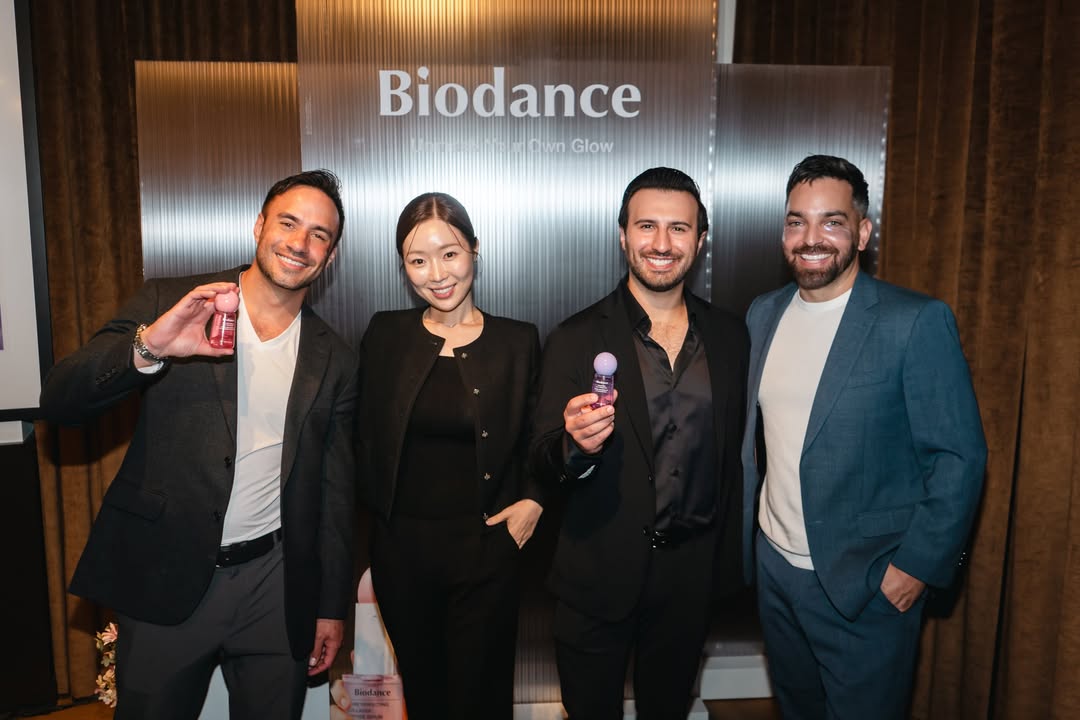
dr.tomassian NYFW, but make it skincare… (Tap to read!) Had a great time in New York talking about post procedure protocols with @doctorly @dr.ljmaxfield It’s officially laser season! These are some of my favorite months for procedures because we typically have less sun exposure, which makes it an ideal time to address pigment, texture, sun damage, scarring and overall skin quality. Here’s what we’re doing at The Dermatology Collective. Fraxel. fractional resurfacing that targets sun damage, fine lines, pores, texture and acne scarring. Picosure Pro. one of our go tos for pigmentation, sun spots and uneven tone with relatively little downtime. Safe in all skin types! CO₂. a more intensive resurfacing treatment for deeper lines, more significant texture concerns, scarring and sun damage. Everesse RF. radiofrequency skin tightening for laxity, firmness and overall skin quality with minimal downtime. @cartessaaesthetics But the treatment itself is only part of the process. Pre and post procedure skincare matters. Depending on the patient and treatment, we may pretreat the skin with products like hydroquinone to help manage pigmentation and reduce the risk of post inflammatory hyperpigmentation. Afterward, the focus shifts to supporting the skin barrier, hydration and healing which is where @biodance_official hydrogel masks can be a great addition. If you’re ready to start your fall skin plan, use the link below to request an appointment 🔗 or call The Dermatology Collective at 626 240 2020 to schedule a cosmetic consultation or laser treatment!
With sun exposure down, we use these months to address pigment, texture, scarring and overall skin quality before winter.
THE DERMATOLOGY COLLECTIVE STAFFHow it works
Same as today. Nothing changes on Instagram.
We turn your post into a full story in your voice within the hour.
One click publishes it to thedermatologycollective.com. Nothing goes live without you.
Your stories
Nothing was published anywhere. You decide that. Every word will come from your own posts, your own photos and your own treatments.
Laser Season · From your post
With sun exposure down, we use these months to address pigment, texture, scarring and overall skin quality before winter.
“NYFW, but make it skincare… (Tap to read!) Had a great time in New York talking about post procedure protocols with @doctorly @dr.ljmaxfield It’s officially laser season! These are some of my favorite months for procedures because we typically have less sun exposure, which makes it an ideal time to address pigment, texture, sun damage, scarring and overall skin quality. Here’s what we’re doing at The Dermatology Collective. Fraxel. fractional resurfacing that targets sun damage, fine lines, pores, texture and acne scarring. Picosure Pro. one of our go tos for pigmentation, sun spots and uneven tone with relatively little downtime. Safe in all skin types! CO₂. a more intensive resurfacing treatment for deeper lines, more significant texture concerns, scarring and sun damage. Everesse RF. radiofrequency skin tightening for laxity, firmness and overall skin quality with minimal downtime. @cartessaaesthetics But the treatment itself is only part of the process. Pre and post procedure skincare matters. Depending on the patient and treatment, we may pretreat the skin with products like hydroquinone to help manage pigmentation and reduce the risk of post inflammatory hyperpigmentation. Afterward, the focus shifts to supporting the skin barrier, hydration and healing which is where @biodance_official hydrogel masks can be a great addition. If you’re ready to start your fall skin plan, use the link below to request an appointment 🔗 or call The Dermatology Collective at 626 240 2020 to schedule a cosmetic consultation or laser treatment!”

Skin Notes · From your post
A common complaint in the exam room comes down to something most people never think to check.
“#TidePartner #TideFresh&Gentle keeps my clothes clean and fresh without irritating my skin. The new @tidelaundry Fresh and Gentle detergent is one to try! One of the biggest complaints I get from patients when it comes to detergents is they want something that won’t irritate their skin but they still want that fresh clean smell. Loving this one by Tide with their dermatologist tested fragrance safe for sensitive skin to give you that fresh smell we all want!.. #skincare #dermatologist #sensitiveskin”
Skincare Routine · From your post
A layered approach to glowing skin that separates active ingredients by time of day instead of piling them on all at once.
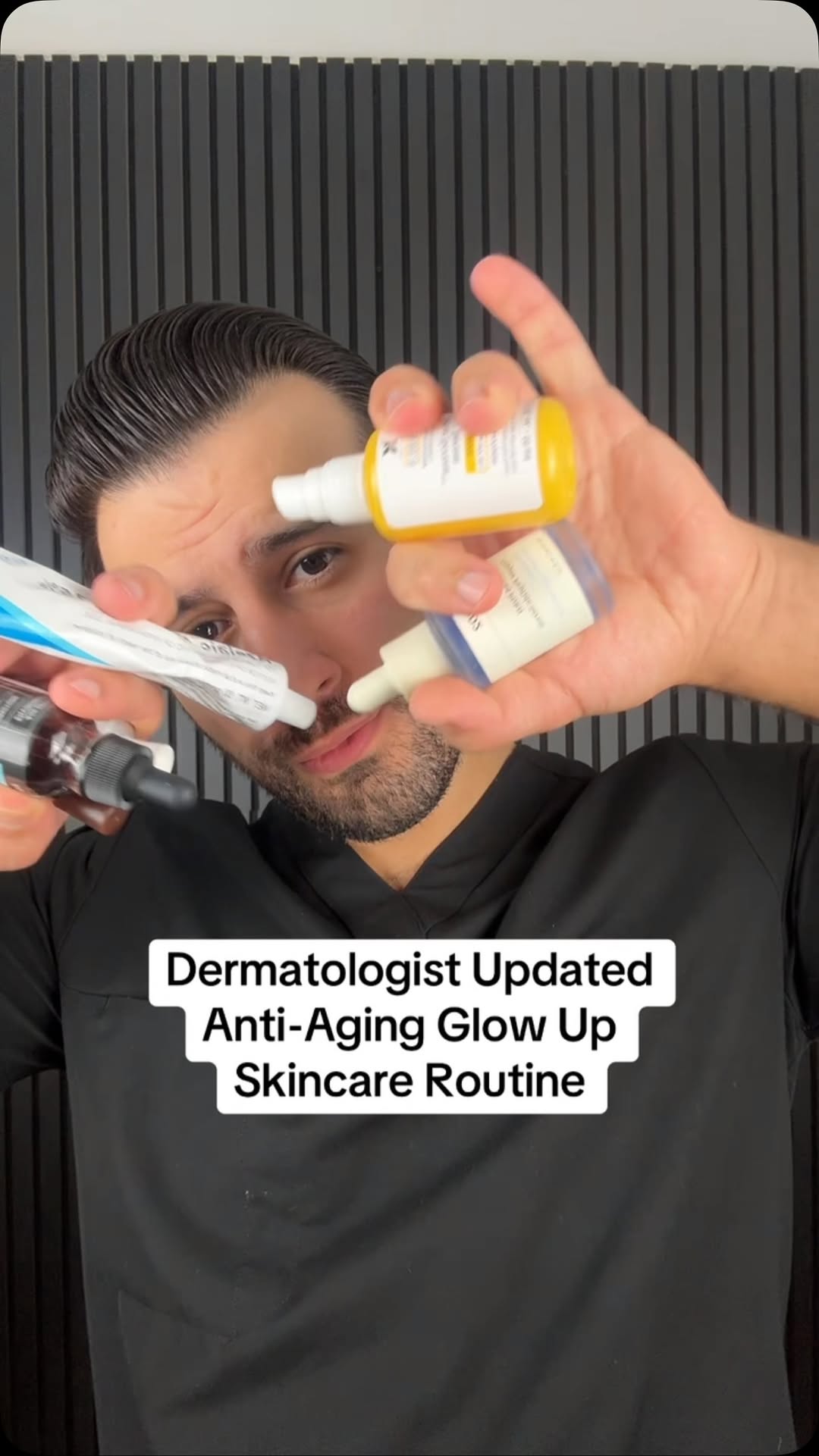
“Updated Anti Aging Routine for GLOWING SKIN! Morning. Vitamin C Azelaic Acid PDRN Moisturize/Sunscreen Night. Cleanser Copper Peptide Tretinoin Moisturizer.. #dermatologist #skincare #beauty #antiaging”
One social post becomes another searchable entry point to The Dermatology Collective.
Our own magazine. Clicks and citations from Google Search Console, as of September 15, 2026.
Draft story for thedermatologycollective.com · Laser Season
With sun exposure down, we use these months to address pigment, texture, scarring and overall skin quality before winter.
A conversation about post procedure protocols in New York with doctorly and Dr. LJ Maxfield was a good reminder of something we talk about constantly at The Dermatology Collective: the treatment itself is only half the equation. What happens before and after a laser session determines how the skin actually heals, and that is where our approach starts.
We call this laser season for a reason. Lower sun exposure in the fall and winter months makes it a more ideal window to address pigment, texture, sun damage, scarring and overall skin quality. Less UV means less risk while the skin is healing, which is why we tend to schedule our more intensive resurfacing work during this stretch rather than in peak summer.
We do not use one laser for everything. Fraxel is our fractional resurfacing option, built to target sun damage, fine lines, pores, texture and acne scarring with a level of downtime that fits most schedules. It is often where we start for patients dealing with a mix of concerns rather than one isolated issue.
For pigmentation, sun spots and uneven tone, Picosure Pro is one of our go to treatments, and it is safe across all skin types with relatively little downtime. When the concern runs deeper, whether that is more significant texture change, scarring or more pronounced sun damage, CO2 resurfacing gives us a more intensive option to work with.
Everesse RF rounds out the lineup for patients focused on laxity and firmness rather than surface texture alone. As a radiofrequency skin tightening treatment, it works on overall skin quality with minimal downtime, which makes it easy to pair with other work depending on what a patient's skin needs that season.
Before certain treatments, we may pretreat the skin with products like hydroquinone. This helps manage existing pigmentation and lowers the risk of post inflammatory hyperpigmentation after the procedure, which matters just as much as the laser settings themselves when we are planning a patient's protocol.
Once a treatment is done, the priority shifts entirely to the skin barrier: supporting hydration and helping the healing process along. This is where something like a Biodance hydrogel mask earns a place in the routine, giving compromised skin a calmer, more supported recovery in the days that follow a session.
If a fall skin plan is on your mind, we would rather build it around what your skin actually needs than a single trending treatment. Request an appointment through the link on our site, or call The Dermatology Collective at 626 240 2020 to schedule a cosmetic consultation or laser treatment before the season gets away from you.
Draft story for thedermatologycollective.com · Skin Notes
A common complaint in the exam room comes down to something most people never think to check.
A patient will come in convinced their new moisturizer is the problem, or that their skin has suddenly turned reactive for no reason. Before we talk about products applied to the skin, we ask a simpler question: what detergent is washing your sheets, your towels, and the clothes sitting against your skin for hours every day. It is an easy variable to overlook.
Fragrance is usually the first thing we look at. A detergent can smell clean and still leave behind a residue that irritates skin that is already reactive, dry, or prone to flare. Patients often assume the itching or redness is coming from a lotion or a new skincare step, when the actual source has been sitting in the laundry room the whole time.
The tension patients describe is consistent. They want laundry that actually smells clean, not the flat, scentless kind that feels like it did not work, but they also cannot risk a fragrance that sets off irritation. Those two preferences usually feel like they cancel each other out, which is why so many people end up settling for one or the other instead of getting both.
That tradeoff is why Tide Fresh and Gentle stood out enough to mention. It is formulated to be fragrance safe for sensitive skin while still delivering the fresh scent people associate with clean laundry. For someone managing sensitive or reactive skin, that combination matters more than it sounds, because it removes one guessing game from a routine that already involves enough of them.
Dermatologist tested claims get thrown around loosely across a lot of categories, so it is worth being specific about why this one is worth trusting. A detergent that carries that language has been evaluated with sensitive skin in mind, not just marketed toward it. That distinction is exactly what we look for when a patient asks us to recommend something instead of leaving it to trial and error.
Clothing sits directly against skin for most of the day, which makes detergent one of the most consistent points of contact a person has with any product, more consistent than a serum or a cream applied once or twice daily. When that contact point is a source of irritation, it can undo the progress patients are otherwise making with their actual skincare routine.
None of this requires an elaborate change to a skincare regimen. Swapping in a detergent built for sensitive skin is a low effort adjustment that can quietly remove a source of irritation patients did not know to suspect. It is the kind of fix that does not show up in a skincare routine breakdown but still shapes how skin behaves day to day.
We bring this up because it works both ways in the exam room: patients ask us what is safe for their skin, and we ask them what their skin is actually exposed to outside of the products they apply. Laundry is part of that picture. Fresh and Gentle is one option we feel comfortable naming when that question comes up.
Draft story for thedermatologycollective.com · Skincare Routine
A layered approach to glowing skin that separates active ingredients by time of day instead of piling them on all at once.
An anti aging routine works best when it respects timing, not just ingredients. Some actives perform better in daylight, others need darkness to do their job without breaking down or causing irritation. That is the logic behind splitting a routine into a morning phase and a night phase, rather than treating skincare as one long list applied whenever it is convenient.
The morning side starts with vitamin C, an antioxidant that helps defend skin against the environmental stress it will face throughout the day. Azelaic acid follows, addressing tone and texture without the sensitivity that stronger exfoliants can bring. PDRN comes next, a newer addition aimed at supporting repair. Moisturizer and sunscreen close out the sequence, locking hydration in while protecting everything applied underneath it.
Daytime skincare is fundamentally protective. The goal is to shield skin from ultraviolet exposure and daily wear while giving it antioxidant support to offset that stress. Nighttime skincare shifts toward repair, which is why the more intensive ingredients show up after the sun goes down. Separating the two prevents active ingredients from working against each other and lets each one do its intended job.
At night, the routine begins with cleansing, clearing away the day before anything else is applied. Copper peptide follows, supporting the skin's repair processes while it rests. Tretinoin comes next, the routine's most established ingredient for cellular turnover and long term texture improvement. A moisturizer finishes the sequence, calming any dryness that stronger actives like tretinoin can bring with consistent use.
Six ingredients across two routines is not a small commitment, but each one is doing a distinct job rather than duplicating another step. Vitamin C and azelaic acid work on tone and defense. PDRN and copper peptide support repair from two different angles. Tretinoin drives renewal. Sunscreen protects all of it. Nothing here is filler, and that is deliberate.
The order matters as much as the ingredients themselves. Applying vitamin C before moisturizer, or tretinoin before a night cream, changes how well each product can absorb and perform. A routine like this rewards patience with sequencing, not just consistency with product choice. It is less about doing more and more about doing each step in the right place.
Results from a routine built around ingredients like tretinoin and vitamin C tend to show up gradually, through texture, tone, and resilience over time rather than overnight change. That is part of why the morning and night structure matters. It is not a quick fix layered on before a photo. It is a daily rhythm, repeated closely enough that the skin has time to respond to it.
What makes this routine worth sharing is not novelty for its own sake. It is the clarity of having a reason for every step, morning and night, active by active. Skincare gets complicated fast when routines are borrowed piecemeal from different sources. Anchoring each ingredient to a specific time of day and a specific purpose is what keeps a routine like this one manageable to actually follow.
Keep reading