The case for a simple bowl of tagliolini at Uovo
A handmade tagliolini with yellow tomatoes and basil shows what happens when a dish has nowhere to hide.
UOVO STAFFTurn your social into search
We turn your posts into editorial stories that bring new search traffic to uovo.la. Three of yours will be on this page.
Book a demo
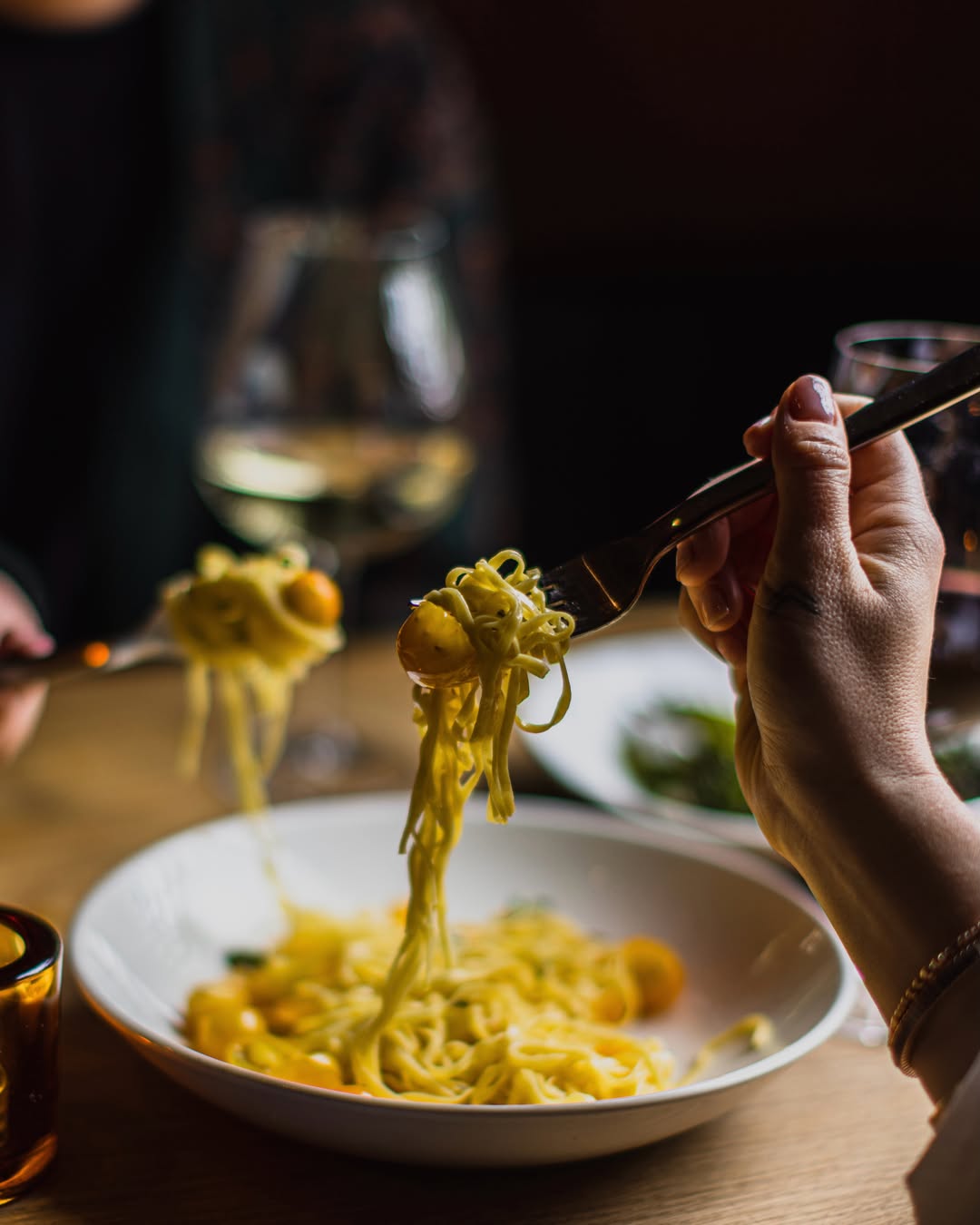
uovopasta Pasta Classica | Pomodorini e Basilico Handmade tagliolini with yellow tomatoes, basil, organic Sicilian olive oil & a touch of garlic #UovoPasta 📷 @domaznavour
A handmade tagliolini with yellow tomatoes and basil shows what happens when a dish has nowhere to hide.
UOVO STAFFHow it works
Same as today. Nothing changes on Instagram.
We turn your post into a full story in your voice within the hour.
One click publishes it to uovo.la. Nothing goes live without you.
Your stories
Nothing was published anywhere. You decide that. Every word will come from your own posts, your own photos and your own menu.
Pasta Classica · From your post
A handmade tagliolini with yellow tomatoes and basil shows what happens when a dish has nowhere to hide.
“Pasta Classica | Pomodorini e Basilico Handmade tagliolini with yellow tomatoes, basil, organic Sicilian olive oil & a touch of garlic #UovoPasta 📷 @domaznavour”
On The Menu · From your post
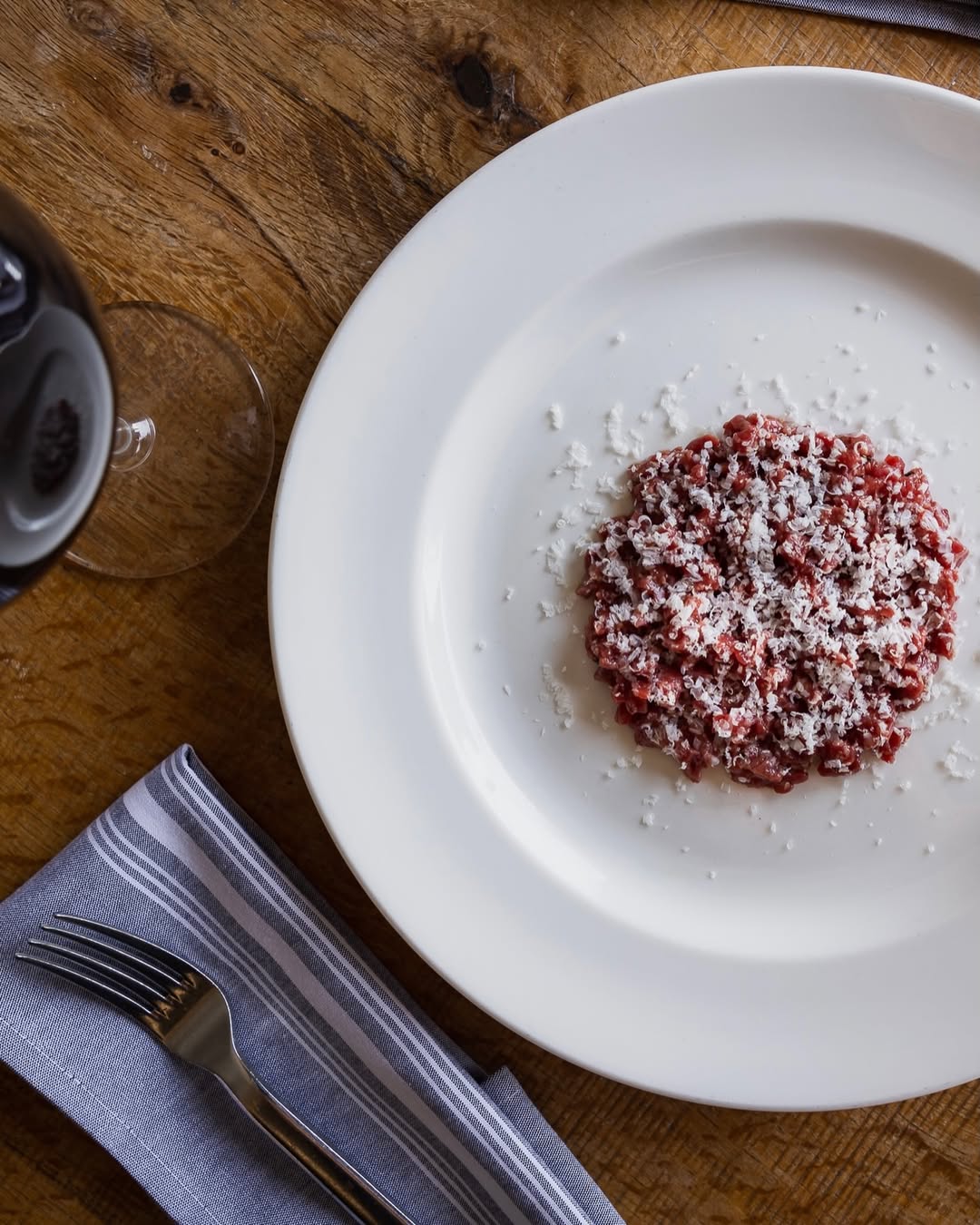
A closer look at the battuta di carne, a tartare built on grass fed Wagyu, olive oil, lemon, and aged Parmigiano Reggiano.
“Battuta di carne with 100% grass fed @firstlight.farm Wagyu beef tartare with olive oil, lemon, 24 month aged Parmigiano Reggiano #UovoPasta #GrassFed #Wagyu”
On The Menu · From your post
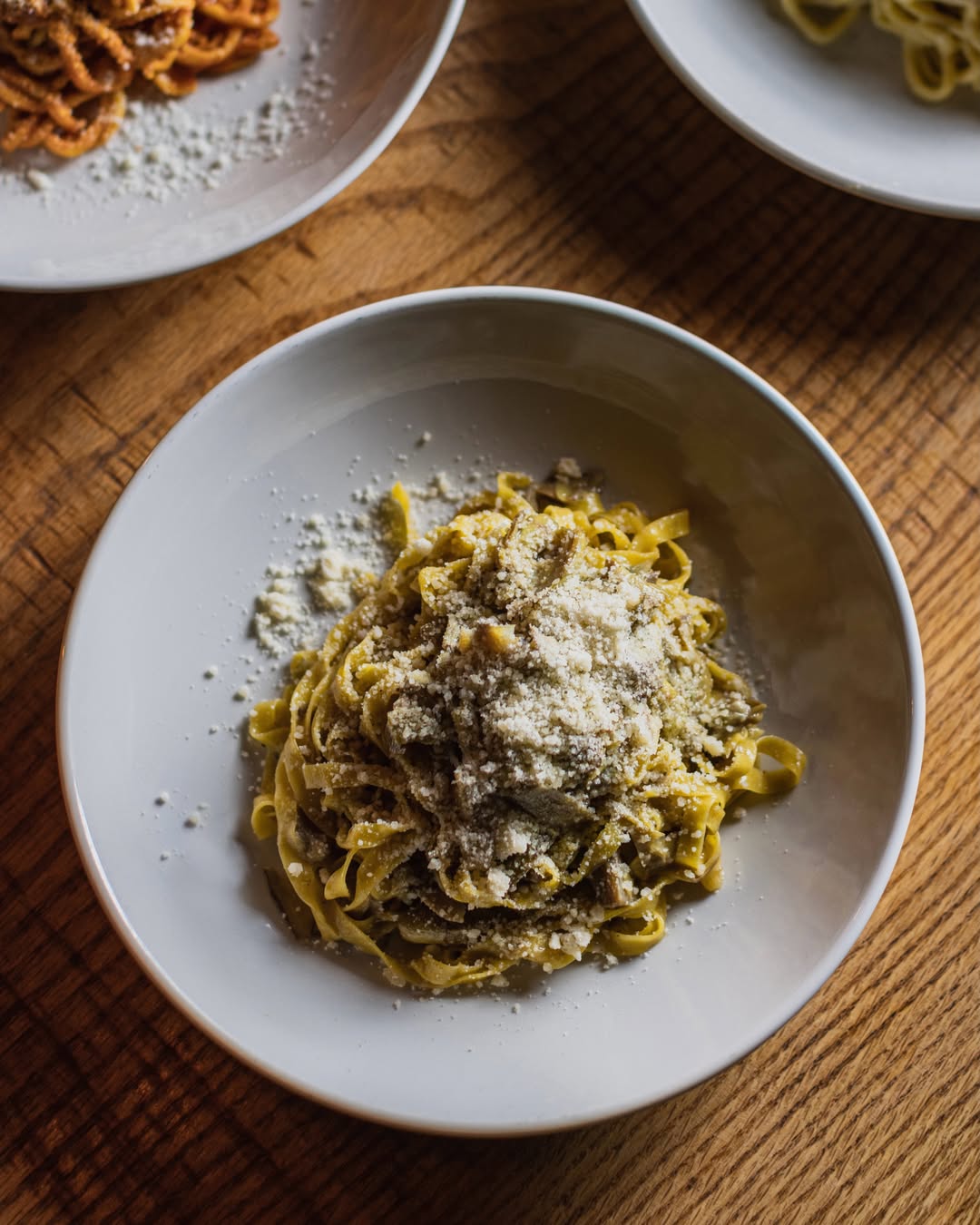
Handmade tagliatelle gets dressed with artichoke, olive oil, and aged Parmigiano Reggiano, and nothing else.
“Tagliatelle ai Carciofi! Handmade tagliatelle, simply with artichoke and extra virgin olive oil & 24 month aged Parmigiano Reggiano #UovoPasta”
One social post becomes another searchable entry point to Uovo.
Our own magazine. Clicks and citations from Google Search Console, as of September 15, 2026.
Draft story for uovo.la · Pasta Classica
A handmade tagliolini with yellow tomatoes and basil shows what happens when a dish has nowhere to hide.
A fork twists up a tangle of tagliolini, catching a yellow cherry tomato and a few flecks of basil before it ever reaches the plate again. That small motion, the twist, the lift, the pause over the bowl, is basically the whole pitch for this dish. There is no sauce doing heavy lifting, no protein taking over the plate. Just pasta, tomato, basil, oil, and garlic, arranged so that each one has room to be tasted.
We call it Pasta Classica for a reason. Pomodorini e Basilico is not built to surprise anyone. It is built to be exactly what it says it is: handmade tagliolini with yellow tomatoes, basil, organic Sicilian olive oil, and a touch of garlic. Five components, no filler, no ingredient added just to make the description sound longer. The dish earns its place on the table by being precise rather than elaborate.
Cooking with fewer ingredients is not the easy route, it is the exposed one. When a dish only has tomato, basil, oil, and garlic standing between the noodle and the eater, every one of those elements has to actually taste like itself. The tomatoes have to be sweet on their own terms. The basil has to read clearly instead of disappearing into heat. The oil has to carry flavor, not just shine on the noodle.
That is where the olive oil earns its mention by name. Organic Sicilian olive oil is not a throwaway detail in the description, it is doing real work here, coating the tagliolini and picking up the garlic without turning the whole bowl heavy or greasy. In a dish this pared down, the oil is closer to a sauce than a garnish. It is the thing that makes the noodle taste finished rather than plain.
The wider scene around the bowl says something too. There is a second plate of the same tagliolini just behind it, another fork already twirling into its own portion. A glass of white wine sits close by, along with a low amber glass and what looks like a green side dish waiting its turn. This is a dish built to sit in the middle of a shared table, not a plate meant to be eaten quickly and alone.
Handmade tagliolini has a texture that matters more than people usually give it credit for. It holds a slightly rougher surface than a dried, extruded noodle, which means the oil and the small bits of tomato actually cling to it instead of sliding to the bottom of the bowl. Every twirl on the fork pulls up a little bit of everything, tomato, basil, oil, together, instead of noodle by itself.
Yellow tomatoes specifically bring a different note than the red ones most people expect in a classic pomodoro. They tend to run a touch sweeter and less acidic, which lets the basil and garlic sit forward instead of getting cut through by sharpness. It is a quiet choice, easy to miss at a glance, but it changes the overall balance of the dish in a way that becomes obvious with the first bite.
There is nothing hidden in Pomodorini e Basilico, and that is precisely the point of putting it on the menu as Pasta Classica. It is a dish meant to be understood immediately and enjoyed slowly, best eaten warm, at a table with company, a glass of something cold nearby, and no reason to rush through it.
Draft story for uovo.la · On The Menu
A closer look at the battuta di carne, a tartare built on grass fed Wagyu, olive oil, lemon, and aged Parmigiano Reggiano.
A round of dark red beef sits alone in the center of a white plate, cut fine enough to hold its shape but loose enough to fall apart under a fork. There is no garnish stacked on top for effect, no sauce pooled around the edges. Just meat, a scatter of cheese, and the kind of plating that trusts the ingredients to carry the dish without help.
This is battuta di carne, our tartare built on 100% grass fed Wagyu beef from First Light Farm. Battuta refers to the way the meat is prepared, hand cut and lightly beaten rather than ground, which keeps the texture loose instead of dense. It is a small technical choice, but it changes how the dish eats, giving each bite a bit of give instead of the tight bounce of a machine processed cut.
Wagyu has a reputation built on fat content, but grass fed changes the profile of that fat, giving it a cleaner, less heavy character than the grain fed versions most people picture. Served raw, that distinction matters more than usual. There is nowhere for a cook to soften or mask the beef, so the quality of the animal and the way it was raised end up doing most of the talking on the plate.
The seasoning stays deliberately narrow: olive oil, lemon, and nothing else pulling focus. Olive oil adds weight and rounds out the richness of the fat, while lemon cuts through it with acid, keeping the dish from feeling flat after a few bites. Neither ingredient is meant to be noticed on its own. They exist to frame the beef, not compete with it, which is the point of tartare done with restraint.
Snowed over the top is 24 month aged Parmigiano Reggiano, grated fine enough to melt slightly into the warmth of the beef. Aging that long pulls moisture out of the cheese and concentrates its flavor into something sharper and more crystalline than a younger wheel would offer. It reads visually like a light dusting, but it carries enough salt and depth to hold its own against the richness underneath it.
Texture is doing as much work here as flavor. The tartare is loose enough to spread slightly under its own weight, the cheese sits in uneven clumps rather than an even layer, and the plate itself is wide enough to leave the dish room to breathe. Nothing about the presentation is fussy, which fits a dish built around three or four ingredients that each need to be tasted clearly.
A glass of red sits close by, the kind of pairing that tartare tends to invite without needing to be explained. Wine with enough acid and tannin holds up against the fat in the beef and the salt in the cheese, and it is the natural companion to a dish this direct. There is nothing performative about ordering it. It reads more like a starter meant to be shared before the rest of the table arrives.
Battuta di carne is not trying to reinvent tartare, and it does not need to. It takes a well known format and narrows it down to a short list of ingredients chosen for how they behave together: fat, acid, salt, and a cut of beef good enough to be eaten without cooking it at all. That kind of simplicity only works when every piece on the plate is doing real work.
Draft story for uovo.la · On The Menu
Handmade tagliatelle gets dressed with artichoke, olive oil, and aged Parmigiano Reggiano, and nothing else.
A bowl of tagliatelle ai carciofi arrives looking almost plain, which is exactly the point. Ribbons of handmade pasta sit under a heavy dusting of Parmigiano Reggiano, aged twenty four months, with soft pieces of artichoke tucked into the strands. There is no sauce pooling at the edges, no garnish for the sake of garnish. Just pasta, artichoke, olive oil, and cheese, plated in a wide white bowl that gives the dish room to be looked at.
That restraint is a choice, not an absence. Tagliatelle ai carciofi depends entirely on the quality of its few components, since there is nowhere for a weak ingredient to hide. Extra virgin olive oil binds everything together instead of a cream or butter base, which keeps the artichoke's flavor forward rather than buried. It is a dish built on confidence in what is already on the plate.
Handmade tagliatelle only works if the pasta itself can carry a dish this spare. The noodles have to hold their bite and their shape under a topping that is mostly cheese and oil, with no starchy sauce to help them along. Cut into wide, even ribbons, the tagliatelle here is the actual structure of the dish, not a backdrop for something else. Everything visible in the bowl depends on getting that base right first.
Artichoke is not always an easy vegetable to build a whole dish around, since its flavor can turn bitter or muted depending on how it is handled. Here it appears in soft, broken down pieces rather than large chunks, worked through the pasta so every forkful gets a little. It reads less like a topping and more like a component folded into the dish from the start, which is a more deliberate approach than simply spooning it on top.
Aged Parmigiano Reggiano behaves differently than a younger version of the same cheese. Two years of aging concentrates its flavor and dries it out slightly, which is why it grates into a fine, almost snow like layer instead of clumping. That texture matters here, since the cheese is not melted into a sauce but showered generously over the top, meant to dissolve slowly into the warm pasta as it is eaten rather than disappear into the dish immediately.
Using a well aged Parmigiano also changes the salt and depth of the final bite without adding another ingredient to the list. It is doing the work that a richer sauce might otherwise do in a different version of this dish. That is really the throughline of tagliatelle ai carciofi: each element is chosen to contribute something specific, so the plate can stay simple without feeling incomplete.
Artichoke has a narrow window, and building a pasta around it, rather than treating it as a side element, puts that ingredient at the center of the plate instead of the edges. It is a fitting shape for a dish named directly after it, tagliatelle ai carciofi, where the vegetable is not just present but is the reason the rest of the plate exists in the way it does.
Seen from above, next to other pasta on the table, this bowl stands out for what it leaves out rather than what it adds. No extra herbs scattered on top, no second sauce layered underneath. Just tagliatelle, artichoke, olive oil, and Parmigiano Reggiano, aged and grated with intention. It is a small, direct reminder that a short ingredient list can still ask a lot of the kitchen behind it.
Keep reading